
Note: This DIY article is provided as a general guide only and is not intended to take the place of product-specific installation procedures; always follow applicable manufacturers’ instructions. Depending on your home’s age and condition, location within the home, and other potential factors, repairs and/or upgrades or other services may be necessary prior to the beginning and/or completion of your project that may involve the services of a home improvement professional. This article does not include advice pertaining to local building codes and/or any related inspections.
Walk down the silicone sealant aisle at any home improvement store, and you’ll likely be greeted by dozens of products claiming to be waterproof, flexible, paintable, or mold-resistant. For many homeowners, these labels can feel overwhelming. This article will help you understand the terminology commonly found on a silicone sealant label so you can choose the right product for the job.
Unlike rigid fillers or traditional caulks, silicone-based products remain flexible after curing, allowing them to accommodate movement caused by temperature changes, expansion, contraction, and settling.
What is silicone sealant?
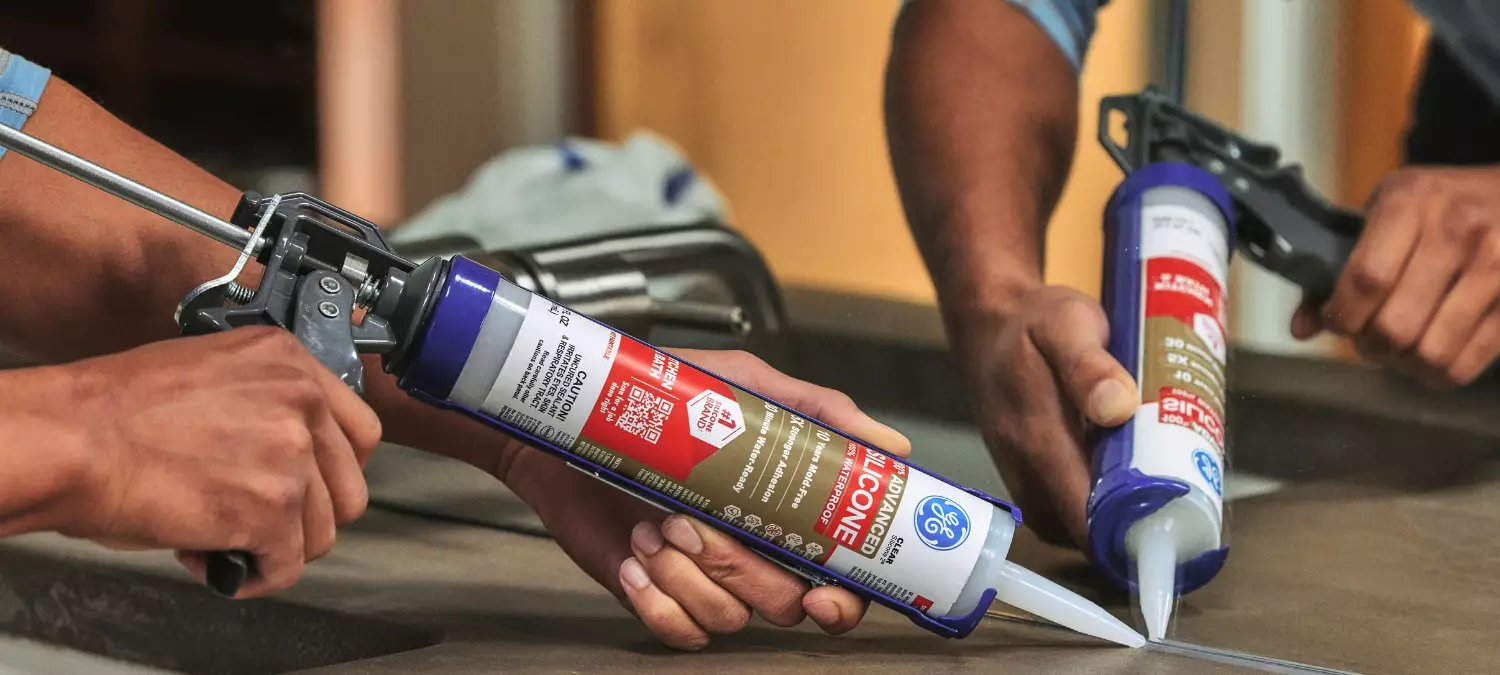
A silicone sealant is a flexible material designed to fill gaps, joints, and seams while preventing air and water infiltration. Unlike rigid fillers or traditional caulks, silicone-based products remain flexible after curing, allowing them to accommodate movement caused by temperature changes, expansion, contraction, and settling.
Silicone sealants are commonly used around:
- Windows and doors
- Bathrooms and kitchens
- Exterior siding
- Expansion joints
- Utility penetrations
Because they offer great durability and weather resistance, silicone sealants are often chosen for applications where long-term performance is critical.
Why sealant labels matter
Sealants may look similar in the tube, but they’re designed for very different applications.
Some products are engineered for:
- Wet environments
- Exterior weather exposure
- High movement joints
- Paintable surfaces
- Mold and mildew resistance
- Long-term flexibility
Understanding these performance characteristics helps ensure the product will perform as desired once installed. Learning how to choose silicone sealant starts with understanding the key terms manufacturers use to describe their products.
Understanding ASTM ratings
One of the most confusing things homeowners encounter on packaging is ASTM information.
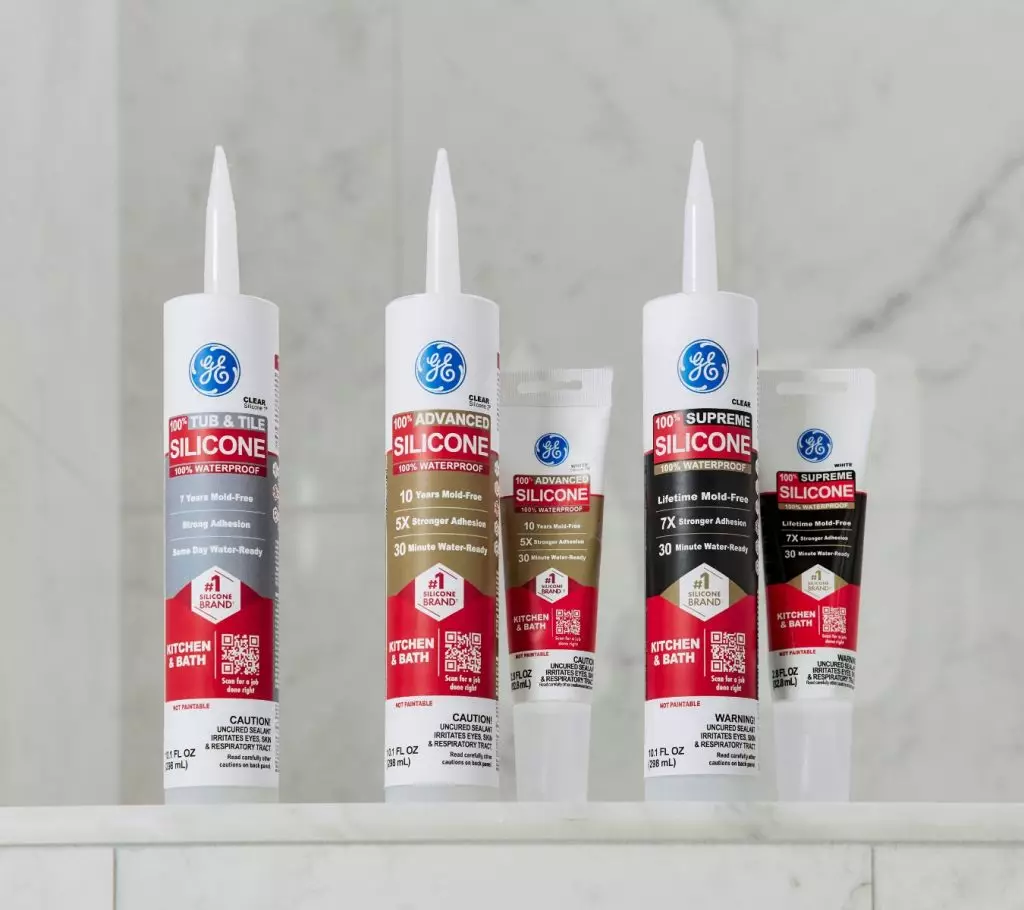
ASTM stands for the American Society for Testing and Materials, an organization that develops testing standards used throughout the construction industry. When reviewing silicone sealant ratings, ASTM standards help verify that a product has been tested for specific performance characteristics.
Common areas ASTM standards evaluate include adhesion, durability, elasticity, weather resistance, and joint movement capability. While homeowners don’t need to memorize these specifications, seeing ASTM-tested performance on a label can provide added confidence that the product meets established industry benchmarks.
What does joint movement mean?
Many sealant labels include a movement rating, often shown as a percentage. For example, ±12.5%, ±25%, ±35%, or ±50%. These ratings indicate how much movement a sealed joint can experience while maintaining performance.
As building materials expand and contract throughout the year, joints naturally shift. Higher movement ratings indicate greater flexibility and durability.
Some applications that benefit from higher movement capabilities include:
- Window and door perimeters
- Expansion joints
- Areas exposed to significant temperature fluctuations
Understanding movement ratings is an important part of learning how to choose silicone sealant for specific projects.
Flexibility and why it matters
One of the biggest advantages of silicone is its flexibility. Unlike traditional caulks that harden over time, silicone remains flexible after curing. This flexibility helps the sealant resist cracking, accommodate building movement, and maintain weatherproof seals.
For exterior projects, flexibility plays a major role in overall performance. When comparing silicone sealant ratings, products designed for high flexibility typically provide better long-term protection against weather-related stressors.
Paintable vs. non-paintable sealants
Many homeowners are surprised to discover that not all sealants can be painted. Traditional silicone products generally resist paint adhesion. If you attempt to paint over silicone, the paint may peel, bead up, or fail to bond properly.
Luckily, hybrid sealants combine the flexibility of silicone with the paintability of acrylic. GE Pro Seal Max Window & Door is an excellent choice when appearance is a top priority, such as around crown molding, trim, and baseboards.
Understanding cure time
Another common source of confusion is cure time. Many labels list information about both dry time and cure time, which can refer to two different things.
Dry time refers to the time at which the surface becomes tack-free. At this stage, the sealant may feel dry to the touch. Cure time refers to the period required for the sealant to develop its intended strength, adhesion, and flexibility.
Depending on the product and environmental conditions, complete curing may take up to 24 hours. Temperature and humidity can significantly impact cure time. If you’re wondering how to choose silicone sealant for a time-sensitive project, pay close attention to the cure time information on the label.
Indoor vs. outdoor use
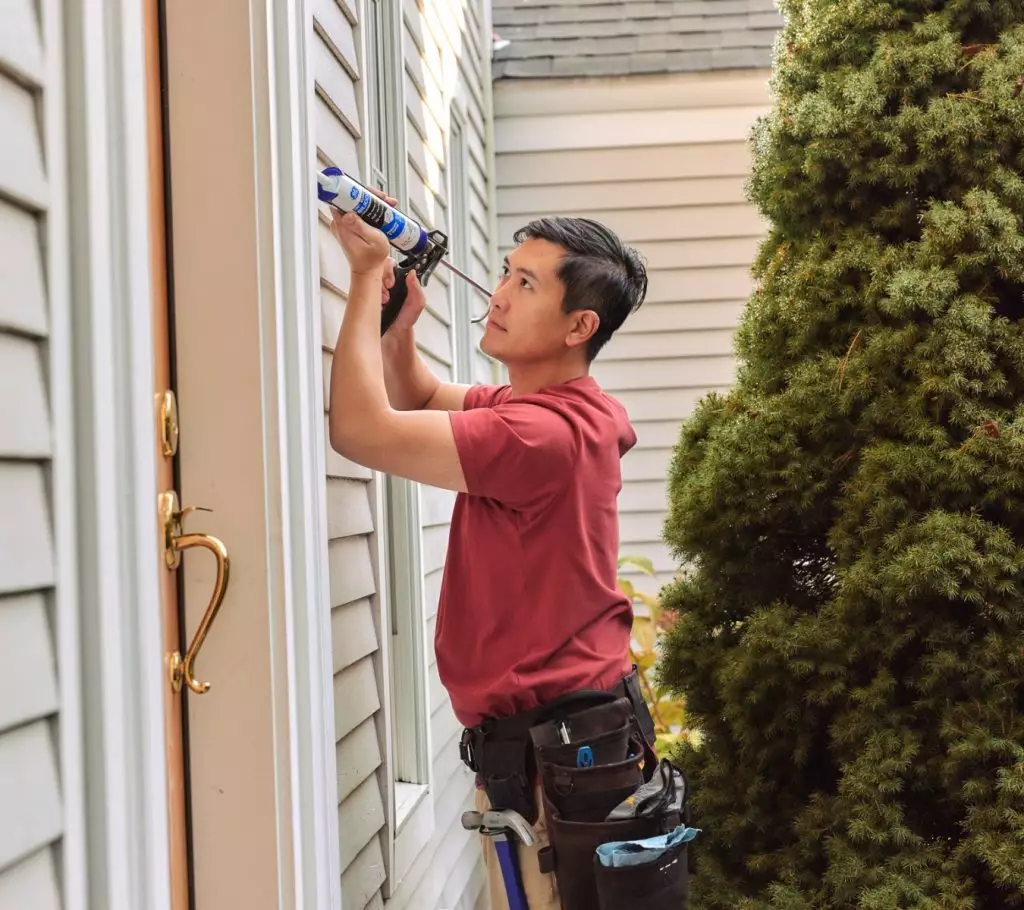
Not all sealants are designed for exterior exposure. Labels typically specify whether a product is intended for indoor, outdoor, or both. An exterior sealant is designed to withstand UV exposure, wet weather, temperature fluctuations, and moisture intrusion.
Using an interior-only product outdoors can lead to premature failure. For exterior projects, always confirm that the sealant is rated for outdoor conditions.
What makes a mold-resistant or waterproof sealant?
One of the most important features homeowners look for is water and mold resistance. A waterproof sealant is specifically designed to prevent water penetration and maintain performance in wet environments. Many also contain additives designed to resist mold and mildew.
Common places to use a mold-resistant and waterproof sealant include showers, bathtubs, kitchen backsplashes, sinks, exterior joints, and windows. Essentially, anywhere that will be exposed to water.
How to choose a silicone sealant for your project
When selecting a sealant, consider the following questions:
- Will the joint move? Choose products with higher movement ratings for areas exposed to expansion and contraction.
- Will the sealant be painted? Select a paintable hybrid sealant if painting is required.
- Is water exposure expected? Choose a high-quality waterproof sealant for bathrooms, kitchens, windows, and exterior applications.
- Is the project indoors or outdoors? Verify that the product is rated for the environment where it will be used.
- How quickly does it need to cure? Review cure time specifications if project timing is important.
Once you know what to look for, you can make more informed decisions for your home improvement projects.
FAQ
What’s the difference between silicone sealant and caulk?
Silicone sealant is more flexible and durable than traditional acrylic caulk. It performs especially well in areas exposed to moisture, movement, and outdoor weather conditions.
How do I know if a silicone sealant is waterproof?
Look for terms such as “waterproof,” “weatherproof,” or “approved for wet-area applications” on the label. These products are intended to prevent water infiltration and maintain performance in damp environments.
Can silicone sealant be painted?
Silicone sealants are generally not paintable. If painting is required, choose a paintable hybrid sealant.
Why are movement ratings important?
Movement ratings indicate how much expansion and contraction a sealant can withstand while maintaining its adhesion and flexibility. Higher ratings are often preferred for exterior joints and areas exposed to temperature fluctuations.
Looking for GE products to use around the home? Find a retailer nearest you in the U.S. or Canada.
