
Note: This DIY article is provided as a general guide only and is not intended to take the place of product-specific installation procedures; always follow applicable manufacturers’ instructions. Depending on your home’s age and condition, location within the home, and other potential factors, repairs and/or upgrades or other services may be necessary prior to the beginning and/or completion of your project that may involve the services of a home improvement professional. This article does not include advice pertaining to local building codes and/or any related inspections.
Outdoor light fixtures take direct exposure from the rain, wind, dirt, and insects, but the problems usually start at the small gaps around the fixture base. Good weatherproof outdoor lighting work means sealing those openings carefully, using the right product for the wall surface, and avoiding shortcuts that can trap water behind the fixture. This guide explains how to inspect common leak points, seal outdoor light fixture gaps more effectively, and improve long-term outdoor waterproofing around exterior lights.
For most outdoor light fixture sealing jobs, the tool list is simple. Start with a screwdriver to remove or loosen the fixture if needed, and a utility knife to trim the nozzle or cut away failed material. Keep rags or paper towels nearby for cleanup, and a caulk gun ready before you start application.
Where outdoor light fixtures usually let in water and pests
Most outdoor fixture problems start at the perimeter, not inside the light itself. Gaps between the fixture base and the wall surface can let in both water and insects, especially after the original sealant has cracked, pulled away, or gone missing. Uneven masonry and textured siding make this more likely because the fixture does not always sit tightly against the wall.
Other common trouble spots include wiring penetrations behind the fixture and top or side edges that do a poor job of shedding water. When those areas stay exposed, moisture can work its way behind the fixture and create repeated staining, corrosion, or hidden damage. That is why careful sealing is such an important part of outdoor waterproofing.
What to check before you seal around an exterior fixture
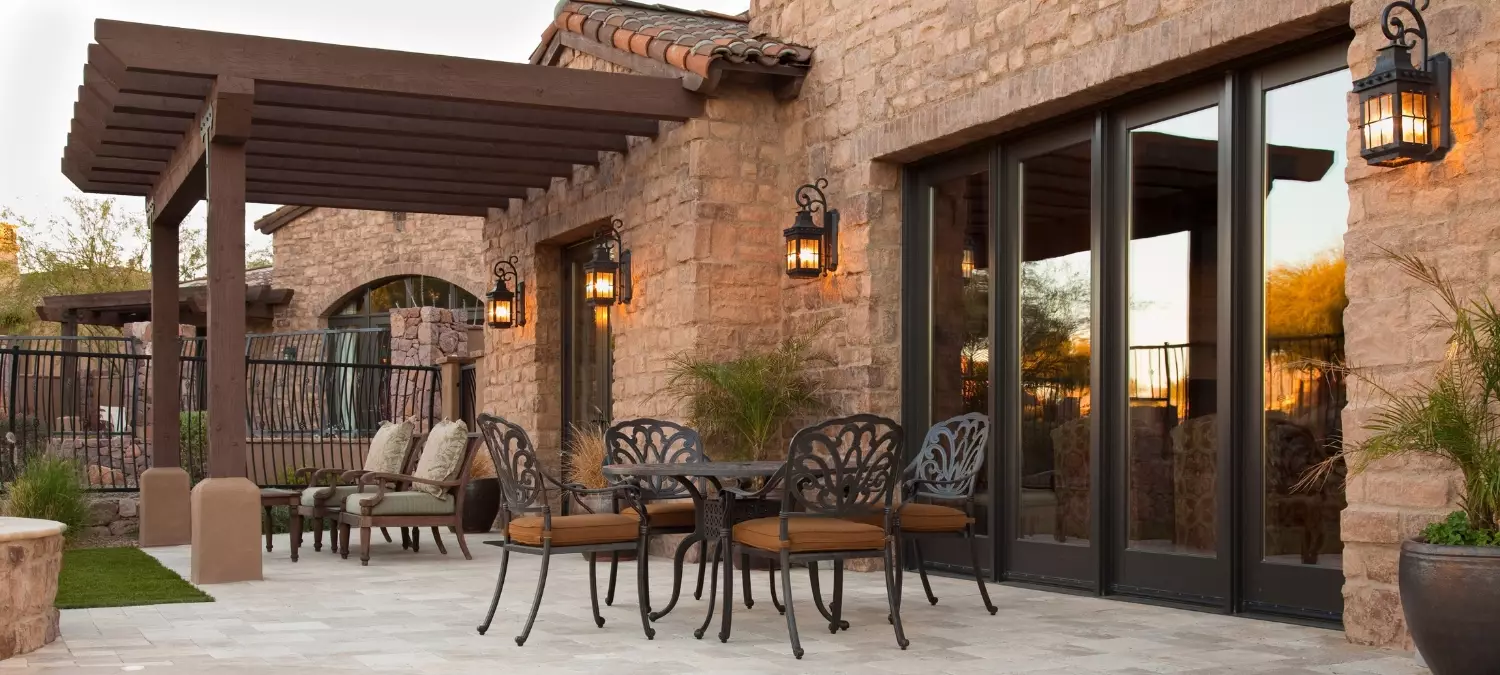
Before sealing, check how the fixture sits against the wall. If it lies flat, the job is usually more straightforward. If it leaves irregular gaps, especially on brick, stone, or textured siding, you may need a different sealing approach. Also, look at the mounting surface itself, since brick, masonry, and siding do not create the same kind of contact at the fixture base.
Check whether the old sealant has cracked, pulled away, or gone missing, and look for any gasket already in place behind the fixture. If there is one, make sure it is still intact and positioned correctly. Finally, identify where a small weep gap should stay open so trapped moisture can still drain instead of collecting behind the fixture.
The tools and materials you need
For most outdoor light fixture sealing jobs, the tool list is simple. Start with a screwdriver to remove or loosen the fixture if needed, and a utility knife to trim the nozzle or cut away failed material. Keep rags or paper towels nearby for cleanup, and a caulk gun ready before you start application.

If the fixture is mounted high, use a step ladder that gives you safe, stable access to the work area. For finishing, a tooling aid or smoothing tool will help you shape a cleaner bead with less excess. GE’s Sealant Smoothing Tool is useful for that final pass, and the GE Cartridge Opener and Smoother Tool can help with setup and bead control.
When to remove the fixture and when you can seal it in place
Whether you remove the fixture depends mostly on how the base meets the wall. On rough or uneven surfaces such as brick, stone, or heavily textured masonry, removing the fixture often gives you a better chance to build a complete seal behind the base. That approach helps create a gasket-like barrier where the wall surface is too irregular for a clean perimeter bead alone.
On flatter surfaces, such as many siding installations, the fixture may sit flush enough that you can seal it in place without taking it down. The key is not to assume every installation should be handled the same way. A clean perimeter bead works best when the fixture already has consistent contact with the wall.
How to seal an outdoor light fixture on brick or other uneven masonry
Start by shutting off power to the fixture at the breaker before you do anything else. On brick or other uneven masonry, it’s often worth removing the fixture so you can seal the full contact area more effectively. Once the fixture is off, clean the wall surface and the back of the fixture base, then let both dry fully before applying new material. Dirt, dust, or trapped moisture can weaken the seal and make the repair less durable.

For this kind of weather-exposed installation, GE Supreme Silicone Window & Door is a strong choice because it is designed for exterior conditions and helps create a durable seal where the surface is not perfectly flat. Apply the sealant where the fixture base will sit so it can form a continuous barrier once the fixture is fastened back in place. Then refasten the fixture and tool any visible excess lightly so the joint looks clean without being overworked. Leave the sealant undisturbed while it cures.
How to seal an outdoor light fixture on siding
On siding, the fixture base often sits flat enough that you can seal outdoor light fixture gaps without removing the fixture first. Start by cleaning and drying the perimeter thoroughly so the sealant can bond to a sound surface. Remove dirt, chalking, and any loose residue, then make sure the area is fully dry before you begin.
Next, cut the nozzle to match the size of the perimeter joint. A smaller opening usually gives you better control and helps you avoid overapplying material. For this type of exterior fixture sealing, GE All Purpose Silicone is a practical choice for creating a flexible, waterproof seal around the fixture perimeter. Apply a continuous bead along the sides and top of the fixture where the base meets the siding, but leave a small weep gap at the bottom so any trapped moisture can still drain out. After application, tool the bead lightly so it bridges the joint cleanly without smearing across the surrounding siding. Then leave the sealant undisturbed while it cures.
To get GE Sealants’ products for your home improvement project, visit these fine retailers in the U.S. or Canada.

