Note: This DIY article is provided as a general guide only and is not intended to take the place of product-specific installation procedures; always follow applicable manufacturers’ instructions. Depending on your home’s age and condition, location within the home, and other potential factors, repairs and/or upgrades or other services may be necessary prior to the beginning and/or completion of your project that may involve the services of a home improvement professional. This article does not include advice pertaining to local building codes and/or any related inspections.
Water damage rarely starts with a visible leak. In most homes, moisture builds quietly in hidden areas long before it becomes obvious, leading to stains, odors, and costly repairs. By knowing where to look and when to reseal problem spots with the right silicone sealant, you can catch hidden water damage early and prevent small issues from snowballing.
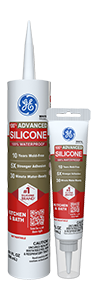
In bathrooms and other high-moisture areas, look for cracked, peeling, or discolored caulk, especially in corners and along horizontal joints where water tends to collect. Mildew buildup or persistent dampness can also indicate that moisture is getting past the seal. When these signs appear, removing the old material and applying a fresh bead of GE Advanced Silicone Kitchen & Bath Sealant helps restore a watertight barrier.
Why hidden water damage is so easy to miss
Hidden water damage often develops slowly in places that are out of sight and easy to overlook. Areas behind cabinets, beneath fixtures, or along exterior penetrations rarely get regular inspection, which allows small amounts of moisture to build over time. Unlike a burst pipe or obvious leak, these issues tend to spread gradually without drawing attention.
Early signs are usually subtle. You might notice a faint musty smell, slight discoloration, or a surface that feels softer than expected. By the time water damage becomes clearly visible, it has often already affected surrounding materials. That is why routine checks and early maintenance play an important role in preventing more extensive repairs later.
Under sinks and around supply lines
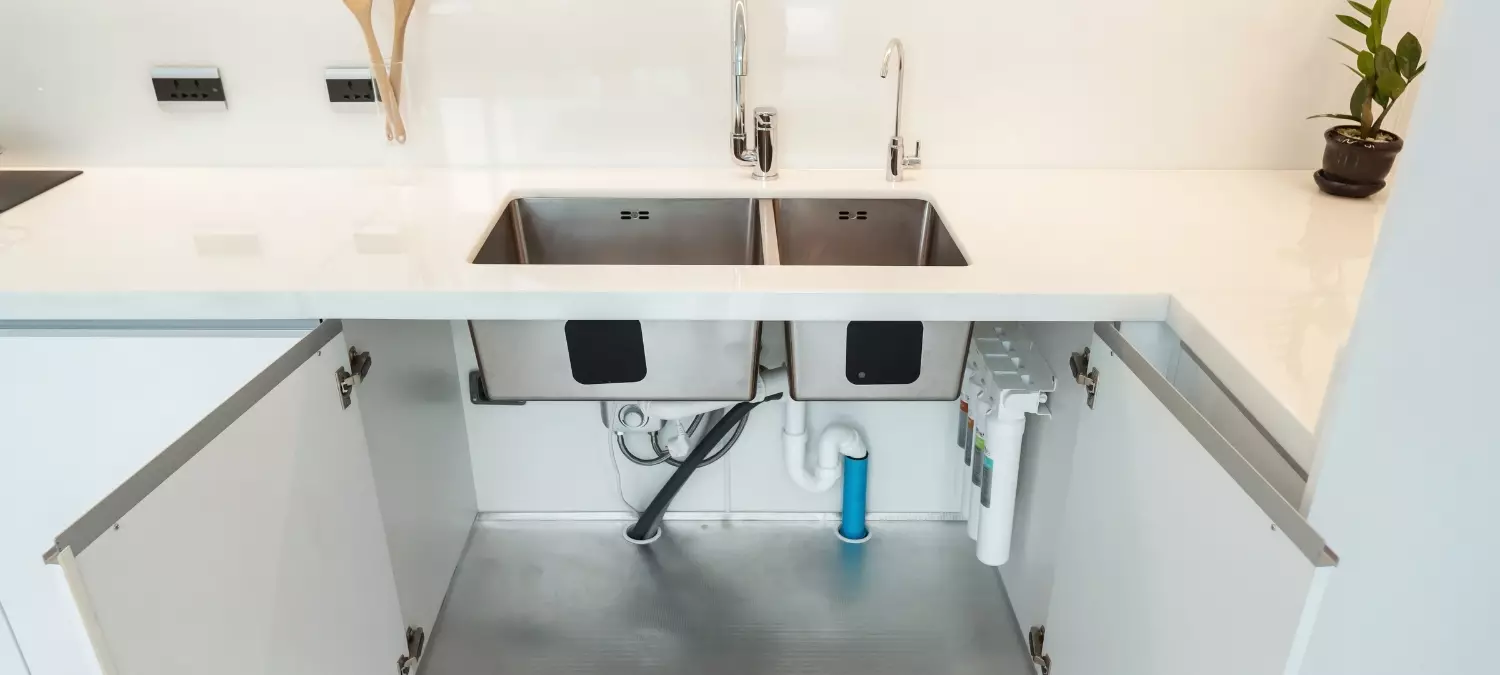
Under sinks, small drips from supply lines, loose connections, or slow leaks around shutoff valves can go unnoticed for long periods, especially in cabinets that are rarely emptied or inspected. Over time, even minor moisture can cause the cabinet base to swell, stain, or develop a musty odor.
When checking under sinks, look for damp spots, discoloration, or warped surfaces. Run your hand along pipe connections to feel for moisture, and inspect the areas where pipes pass through the cabinet walls. These openings are often left unsealed or can degrade over time. If you notice gaps or worn sealant around these penetrations, reseal them with a durable silicone sealant using either the GE Sealant Smoothing Tool or a gloved finger.
Around toilets, tubs, and shower edges
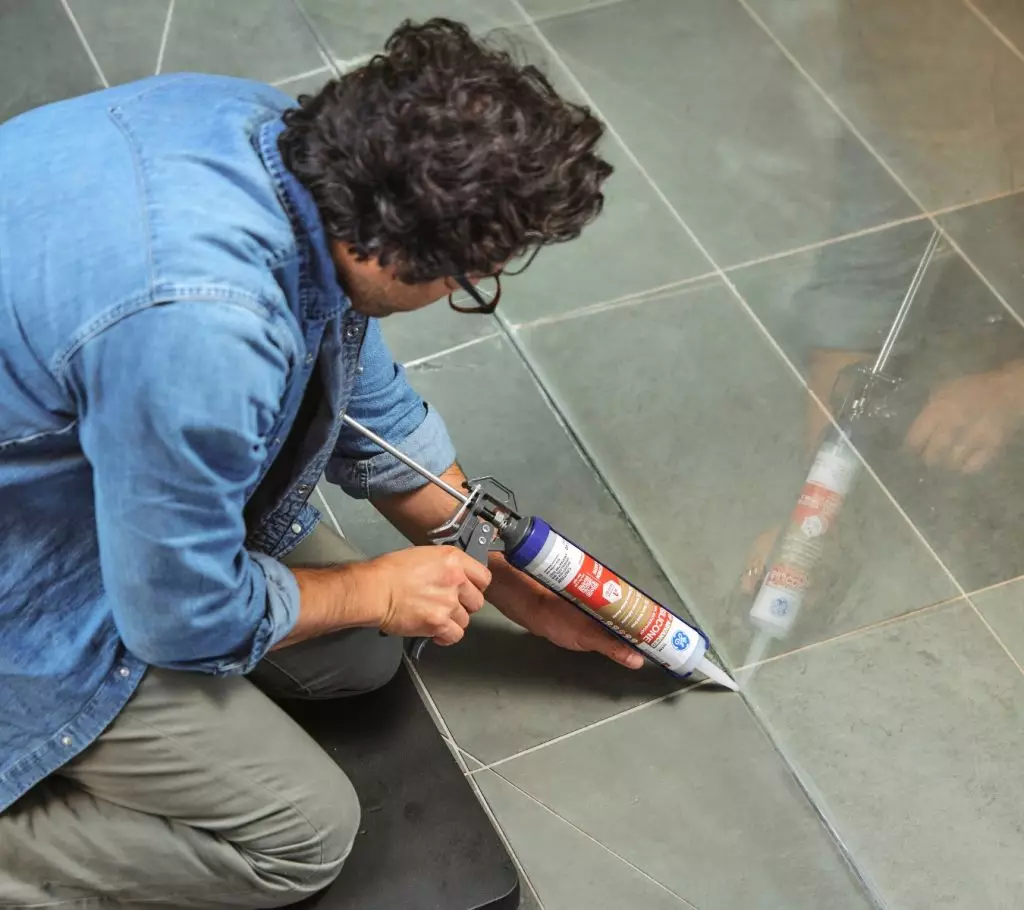
Bathrooms are high-moisture environments and one of the most common areas for hidden water damage. Water regularly splashes onto floors and surrounding surfaces, and even small gaps in caulk lines can allow moisture to seep beneath fixtures over time. Around toilet bases, tub edges, and shower seams, failing sealant often goes unnoticed until staining or soft flooring appears.
Look for cracked, peeling, or discolored caulk, especially in corners and along horizontal joints where water tends to collect. Mildew buildup or persistent dampness can also indicate that moisture is getting past the seal. When these signs appear, removing the old material and applying a fresh bead of GE Advanced Silicone Kitchen & Bath Sealant helps restore a watertight barrier.
Exterior wall penetrations and utility entries
While easy to overlook, exterior wall penetrations are nevertheless common entry points for hidden water damage. These include:
- Hose bibs
- Dryer vents
- Cable lines
- Electrical conduits
- Any pipes or fixtures passing through exterior walls
The sealant around these openings is exposed to weather, UV, and temperature changes, which can cause it to crack, shrink, or separate over time.
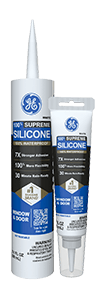
When inspecting these areas, look for gaps around the penetration, deteriorated sealant, or signs of moisture staining on the surrounding siding or interior walls. Even small openings can allow water to work its way behind the exterior surface, where it can spread before becoming visible. Reseal these exterior joints with a durable, weather-resistant product like GE Supreme Silicone Window & Door Sealant.
Windows, trim, and siding joints
Over time, sealant on windows, trim, and siding joints can shrink, crack, or pull away, creating small gaps that allow moisture to enter behind the surface. Because these joints are exposed to both weather and temperature changes, they tend to wear faster than interior seals.
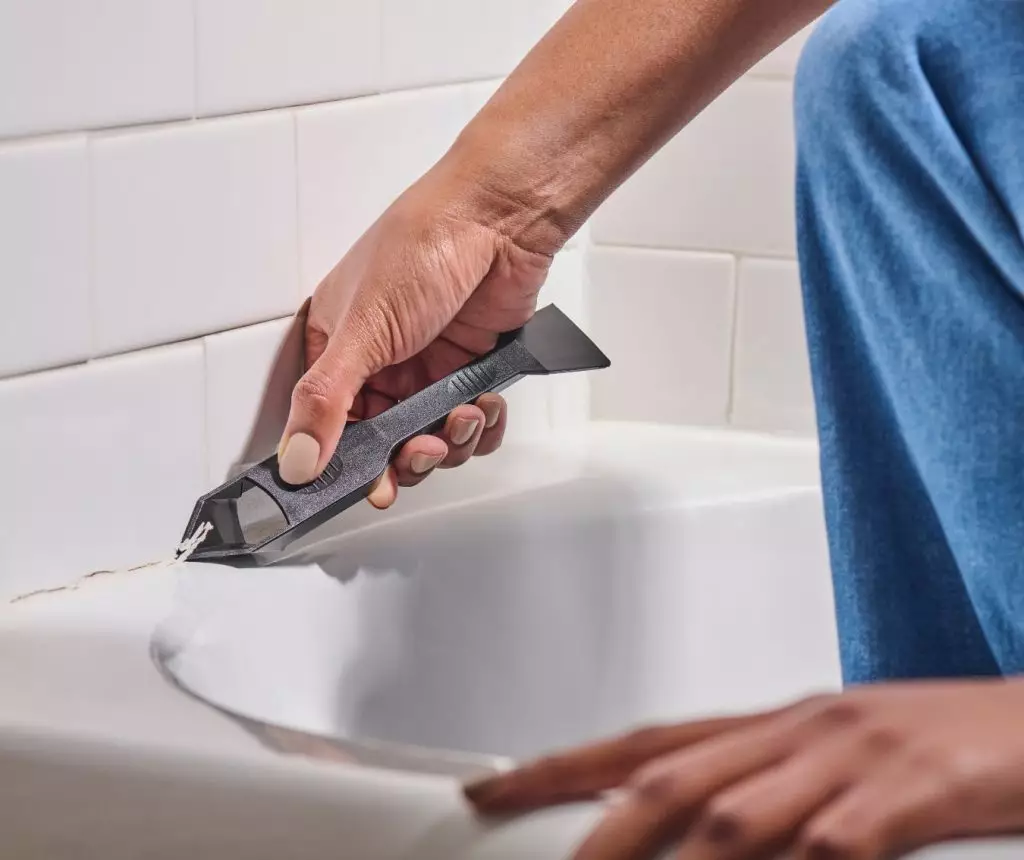
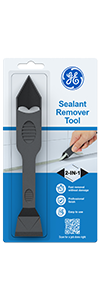
During inspection, look for bubbling paint, soft spots in wood trim, or visible separation along seams. Pay close attention to window corners and horizontal trim, where water can collect and sit longer. If you find failing sealant, remove it with GE’s Sealant Remover Tool or a putty knife and apply a fresh bead of a durable silicone product to restore protection and maintain a tight seal against moisture intrusion.
What to look for during seasonal moisture checks to prevent water damage
A quick seasonal walkthrough can help you catch early warning signs and prevent water damage before it spreads. Focus on areas where moisture tends to collect or go unnoticed. Look for discoloration on walls or ceilings, peeling paint, soft or warped surfaces, and any signs of mildew or musty odors.
Check around fixtures, along trim lines, and near exterior entry points for gaps or failing sealant. Running your hand along these areas can also help detect dampness that is not immediately visible. Catching these small issues early makes repairs simpler and helps protect surrounding materials.
When resealing can prevent bigger repairs
Resealing is most effective when you catch issues early, before moisture has had time to damage surrounding materials. If you notice small gaps, cracked sealant, or minor separation along joints, this is the ideal time to act. At this stage, surfaces are usually still sound, and a fresh bead of silicone sealant can restore protection without the need for more extensive repairs.
Once water has penetrated behind walls, flooring, or trim, the problem often requires more than just new sealant. Soft wood, persistent odors, or visible staining may indicate more serious damage that needs to be addressed first. Regular inspection and timely resealing help you stay ahead of these issues and keep small maintenance tasks from turning into larger, more costly projects.
To get GE Sealants’ products for your home improvement project, visit these fine retailers in the U.S. or Canada.