

Note: This DIY article is provided as a general guide only and is not intended to take the place of product-specific installation procedures; always follow applicable manufacturers’ instructions. Depending on your home’s age and condition, location within the home, and other potential factors, repairs and/or upgrades or other services may be necessary prior to the beginning and/or completion of your project that may involve the services of a home improvement professional. This article does not include advice pertaining to local building codes and/or any related inspections.
Street noise has a way of sneaking into your home even when your windows look perfectly fine, which is why window noise reduction often starts with the smallest details. Tiny gaps around frames and trim can let in far more sound than you might expect. Sealing those openings with the right silicone sealant is a simple, affordable way to reduce window noise and make your home noticeably quieter.
Not all sealants perform the same way when it comes to reducing noise. For window projects, a 100% silicone formula is the best choice because it stays flexible, maintains a tight seal, and resists shrinking or cracking over time.
Why windows let noise in
Sound usually enters a home the same way air does, through small gaps and weak points rather than straight through solid materials. Even high-quality glass cannot block noise effectively if there are openings around the frame, sash, or trim. These gaps create pathways that allow sound waves from traffic, neighbors, or outdoor activity to travel inside with very little resistance.
Older windows are especially prone to this because materials shift over time and seals dry out or shrink. But newer windows can also develop tiny separations as homes settle or as seasonal temperature changes cause frames to expand and contract. Once these openings form, they act like little tunnels for sound, carrying outdoor noise directly into your living space. That is why focusing on the seals around your windows is often more effective for window noise reduction than upgrading the glass alone.
How sealing gaps helps reduce window noise
When you seal the small openings around your windows, you are essentially closing the door on sound’s easiest entry point. Sound travels most efficiently through air, so even narrow cracks can transmit far more noise than you would expect. By filling those gaps, you interrupt that path and force sound waves to lose energy before they reach the interior of your home.
A continuous, flexible seal is especially effective because it stays in contact with the surrounding materials as they move with temperature changes. Rigid fillers can pull away or crack over time, reopening sound channels. Silicone sealant remains elastic, which allows it to maintain an airtight barrier that also limits sound vibration. The result is not totally soundproof windows, but rather a noticeable reduction in everyday noise levels.
Inspecting your windows for noise leaks
Before you reach for a sealant tube, take a few minutes to figure out where noise is actually getting in. Start with a visual check around each window frame, looking for cracked caulk, gaps between trim and wall, or areas where the sealant has pulled away. These are common entry points for both air and sound.
Next, listen carefully during a noisy part of the day, such as morning traffic or evening activity outside. Stand near different windows and notice where the sound seems loudest or most direct. You can also lightly run your hand along the frame to feel for cool air movement, which often lines up with sound leaks as well. Pay special attention to older windows, sliding sashes, and any windows that have been painted or repaired in the past, since these areas are more likely to develop small separations over time. If you find old or damaged sealant, remove it first with GE’s Sealant Remover Tool to create a smooth surface for a longer-lasting reseal.
Choosing the right silicone sealant for window noise reduction
Not all sealants perform the same way when it comes to reducing noise. For window projects, a 100% silicone formula is the best choice because it stays flexible, maintains a tight seal, and resists shrinking or cracking over time. That flexibility is important for noise control because even tiny separations can reopen sound pathways. Acrylic caulks, by comparison, tend to harden and pull away from surfaces, which can undo your work after just a few seasonal changes.
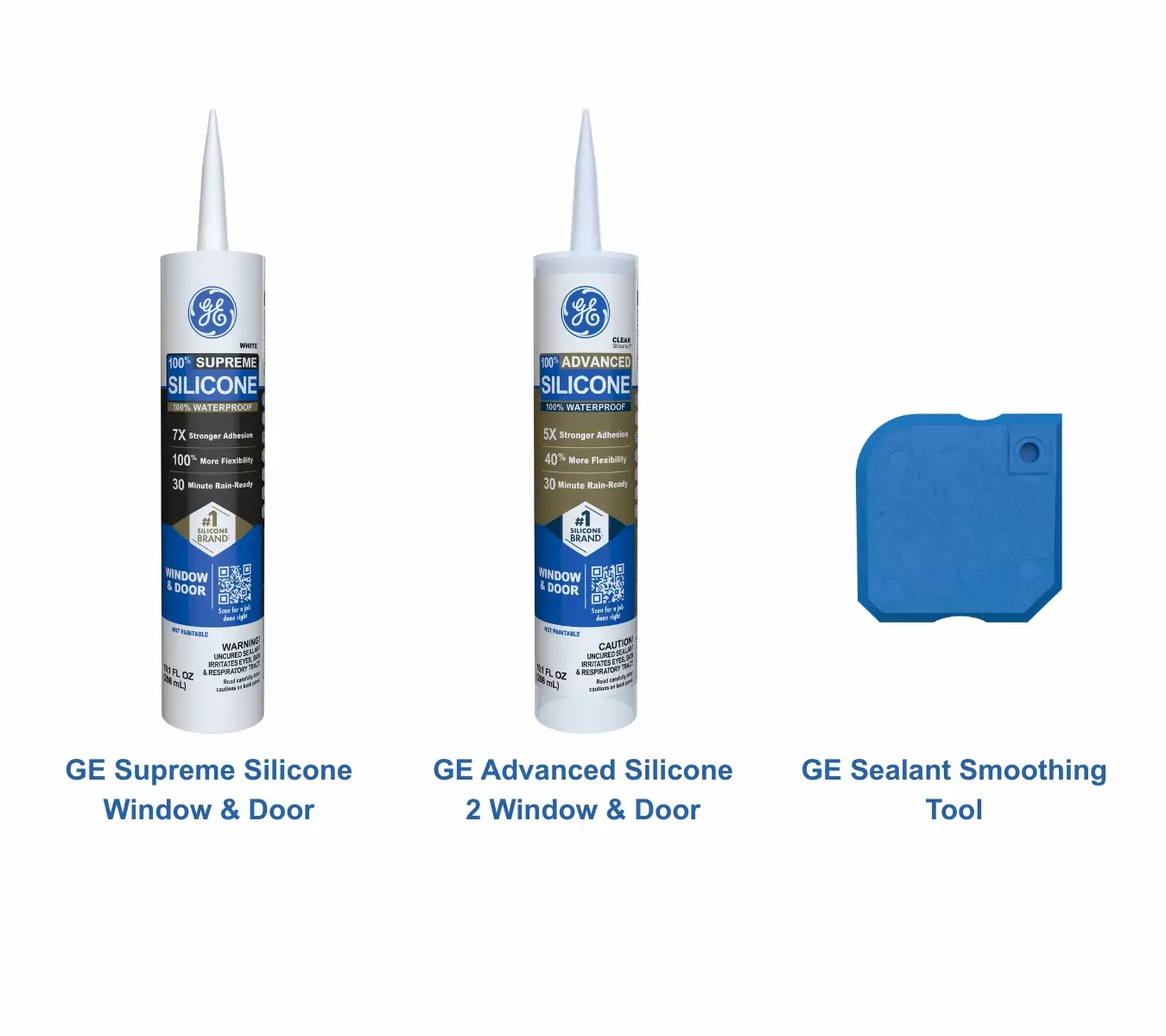
For exterior window joints, GE Supreme Silicone Window & Door Sealant is a strong option. It adheres well to common window materials and holds up to temperature swings, moisture, and sunlight without breaking down. For interior sealing, GE Advanced Silicone Window & Door Sealant offers the same flexibility and durability but comes in multiple shades, making it easier to blend into visible trim and frames. To get the sealant firmly pressed into joints with a continuous, even bead, use GE’s Sealant Smoothing Tool.
Extra insulation tips to soundproof windows further
Sealing gaps is the foundation of window noise reduction, but a few additional upgrades can make your space even quieter. One of the most effective add-ons is a window insert. These clear panels fit inside your existing window frame and create an extra air layer between the outdoors and your room. That trapped air acts as a cushion that absorbs sound before it reaches the interior. Inserts are removable, so they work well for renters or seasonal use.
Heavy curtains or cellular shades also help dampen sound. Thicker fabrics absorb noise waves and reduce echo inside the room, which makes outside sounds feel less sharp and intrusive. Floor-length curtains that fully cover the window opening tend to perform better than lightweight blinds alone.

Weatherstripping is another useful complement, especially for windows that open and close. Replacing worn or flattened weatherstripping along the sash helps tighten the seal and prevent both air and sound from slipping through. When you combine these measures with proper sealing, you create multiple barriers that work together to reduce window noise and make your home feel noticeably calmer without major renovations.
To get GE Sealants’ products for your home improvement project, visit these fine retailers in the U.S. or Canada.


