

Whether you’re sealing windows, doors, expansion joints, or exterior penetrations, understanding sealant cure time is critical to achieving long-lasting performance. While manufacturers provide estimated cure times on product packaging, actual curing conditions on the jobsite can vary significantly based on the weather. This guide explains how weather affects sealant performance and provides practical recommendations for working in challenging conditions.
Temperature, humidity, sunlight, rain, and seasonal conditions all influence how quickly a sealant develops strength, adhesion, and long-term performance.
Understanding sealant dry time vs. sealant cure time
Before discussing weather factors, it’s important to understand the difference between curing and drying.
Sealant dry time refers to the period during which the surface becomes tack-free or forms a skin. At this stage, the sealant may appear finished, but the material beneath the surface is still curing.
Sealant cure time refers to the full chemical process by which the sealant reaches its intended strength, adhesion, and durability.
Many professionals make the mistake of assuming that once a sealant feels dry, it has fully cured. In reality, complete curing often takes significantly longer. This distinction is especially important when clients ask, “How long does sealant take to cure?”
The answer depends not only on the product itself but also on the environmental conditions surrounding the installation.
Why weather matters when applying sealant
When environmental conditions fall outside the manufacturer’s recommended application range, curing can be affected or become compromised altogether.
Weather-related curing issues may result in:
- Delayed project completion
- Reduced adhesion
- Surface bubbling
- Cracking and splitting
- Premature joint failure
- Increased maintenance and callbacks
Understanding these risks helps contractors make better installation decisions and avoid costly rework.
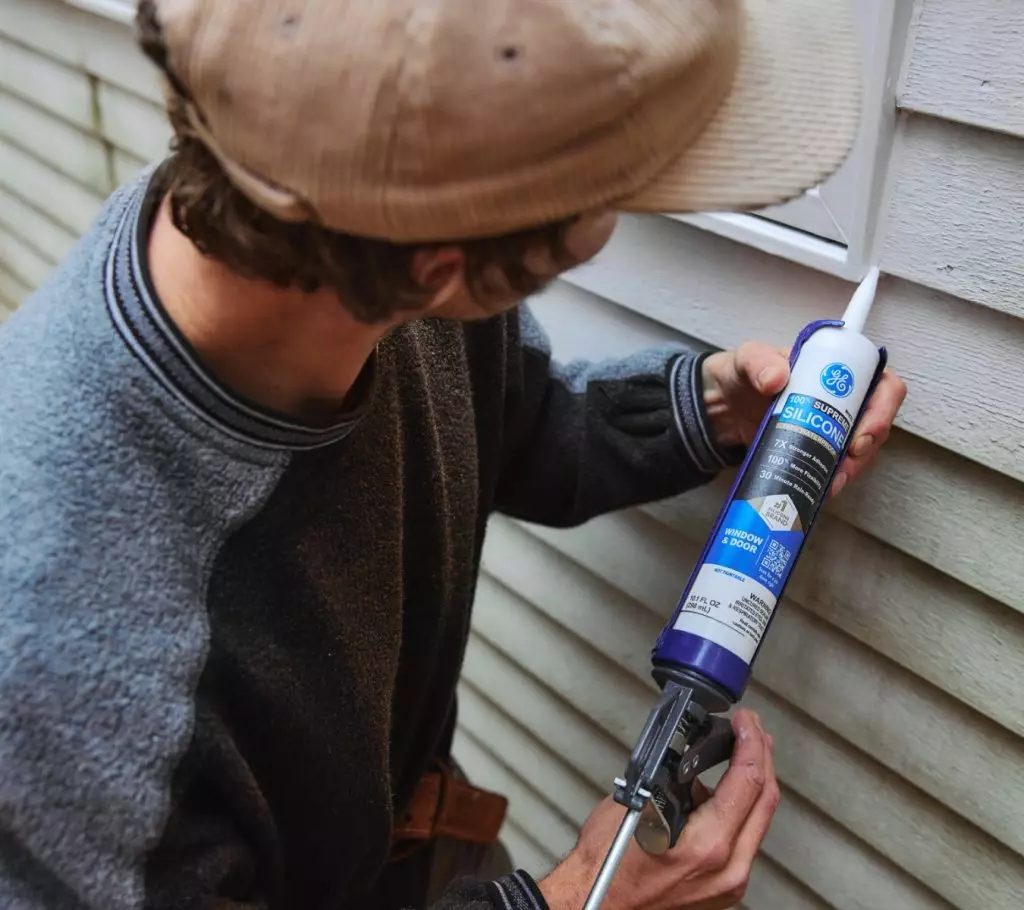
Temperature and sealant cure time
Sealant cure time is largely affected by the temperature at the time of application.
Hot weather conditions
High temperatures generally accelerate chemical reactions, causing sealants to skin over and cure more quickly. While faster curing may sound beneficial, excessive heat can create challenges.
Potential issues include:
- Difficulty tooling joints
- Premature skin formation
- Incomplete wetting of substrates
- Increased risk of trapped air bubbles
When sealants skin too quickly, contractors may not have enough time to properly tool the joint and achieve adequate contact with the substrate.
Here are some best practices to keep in mind for hot weather applications:
- Apply sealant during cooler morning hours when possible.
- Store products in shaded areas before use.
- Avoid applying sealants to extremely hot substrates.
- Work in smaller sections to maintain proper tooling time.
- Follow manufacturer temperature guidelines closely.
Cold weather conditions
Cold temperatures typically slow chemical reactions, extending both sealant dry time and cure time.
When temperatures drop below recommended levels, sealants may:
- Remain tacky longer
- Cure unevenly
- Exhibit reduced adhesion
- Become more difficult to dispense
In severe conditions, curing may effectively stop until temperatures rise again.
To ensure better results, here are some tips to follow:
- Verify the product’s minimum application temperature.
- Store sealant cartridges in a heated environment before use.
- Ensure substrates are clean and free of frost or ice.
- Allow additional cure time before exposing joints to movement or weather.
- Consider products specifically formulated for low-temperature installation.
Humidity’s impact on cure rates
Humidity affects sealants differently depending on their chemistry. Many silicone sealants, such as GE Supreme Silicone Window & Door Sealant and hybrid sealants, cure upon exposure to moisture in the air. For these products, moderate humidity can actually accelerate curing. However, excessive humidity can create challenges.
High humidity conditions
In humid environments, moisture-curing sealants may cure faster than expected.
Potential concerns include:
- Reduced tooling time
- Surface skinning before proper finishing
- Increased difficulty in achieving smooth joints
Low humidity conditions
Dry environments can significantly slow curing for moisture-dependent sealants.
Contractors working in arid climates may notice:
- Extended sealant cure time
- Delayed readiness for painting or exposure
- Longer project timelines
Because humidity levels vary by season and location, curing schedules can differ considerably from one jobsite to another.
How direct sunlight affects sealant cure time
Many contractors focus on air temperature while overlooking substrate temperature. A surface exposed to direct sunlight can become significantly hotter than the surrounding air. For example, dark-colored metal, vinyl, brick, and composite materials can reach temperatures well above ambient conditions.
Direct sunlight can cause:
- Accelerated skin formation
- Reduced working time
- Sealant sagging
- Uneven curing across the joint
These effects become especially noticeable during summer installations. Sticking to these best practices can help:
- Follow the movement of shade throughout the day and schedule accordingly.
- Monitor substrate temperatures, not just air temperatures.
- Avoid applying sealant to excessively hot surfaces.
Rain and moisture exposure
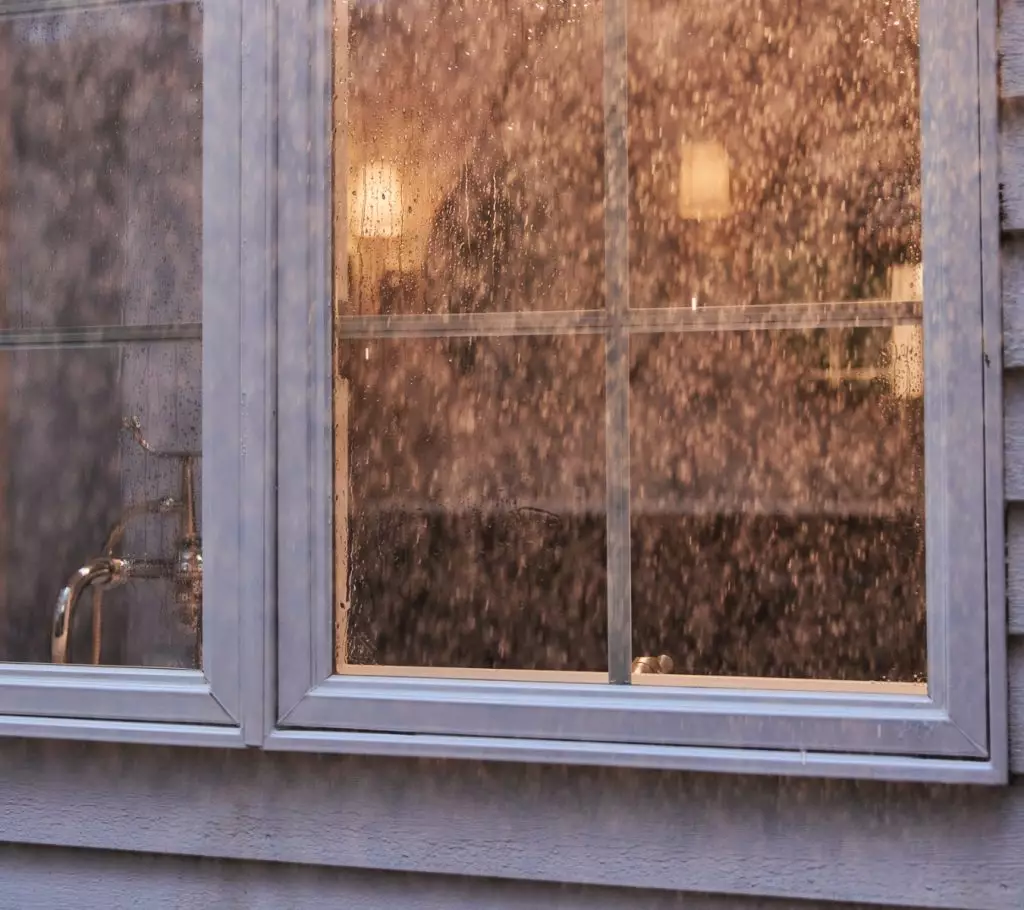
Rain presents one of the biggest challenges for exterior sealant installations. Most sealants require time to develop a protective skin before exposure to precipitation.
If rain occurs too soon after application, it can cause:
- Washout
- Surface defects
- Adhesion failure
- Staining
- Incomplete curing
Many product failures stem from exposure to weather before adequate curing has occurred. To prevent this, follow these tips:
- Check weather forecasts before beginning work.
- Allow sufficient skin-over time before expected precipitation.
- Protect freshly sealed joints when needed.
- Follow manufacturer guidance regarding moisture exposure. Some sealants, like GE Pro Seal Max Window & Door, are water-ready immediately.
Practical tips for reducing callbacks
Regardless of season, contractors can improve results and reduce callbacks by following this advice:
- Follow manufacturer specifications: Always verify recommended temperature ranges, humidity requirements, cure schedules, and weather exposure limitations.
- Allow adequate cure time: Avoid rushing projects simply because a sealant appears dry. Remember that sealant dry time and full cure time are not the same thing.
- Inspect environmental conditions: Evaluate air temperature, surface temperature, relative humidity, rain forecasts, and sun exposure.
- Use the right product for the conditions: Hybrid and specialty sealants are often formulated for broader weather tolerances than traditional products. Choosing the right sealant for the environment can significantly reduce installation risks.
Understanding how weather affects sealant cure time is essential for delivering durable, professional results. Temperature, humidity, sunlight, rain, and seasonal conditions all influence how quickly a sealant develops strength, adhesion, and long-term performance.
FAQ
How long does sealant take to cure?
The answer depends on the type of sealant, joint size, temperature, humidity, and weather conditions. While some sealants become tack-free within a few hours, full sealant cure time may take up to 24 hours.
What is the difference between sealant dry time and cure time?
Sealant dry time is when the surface becomes tack-free, while cure time is when the sealant reaches its full strength, flexibility, and adhesion.
Can sealant cure too quickly?
Yes. Excessive heat and direct sunlight can cause sealants to skin over too quickly, reducing tooling time and potentially affecting adhesion and joint appearance.
Looking for the best GE product for your next job? Find a retailer nearest you in the U.S. or Canada.

