

Older windows and doors often leak through rough-opening voids and joints that move with the season. This guide shows how to confirm the air path, then seal the correct plane with GE Pro Seal Max Window & Door hybrid sealant without blocking weep holes or creating a water trap.
Seal the right plane first. If the air path is behind the trim, a perimeter bead will not touch it. And keep weep holes open.
Triage older openings before you seal
Before you bid this as an old home window upgrade, confirm it is actually a sealing job and not a flashing or repair problem. A sealant bead will not correct failed flashing or unstable casing.
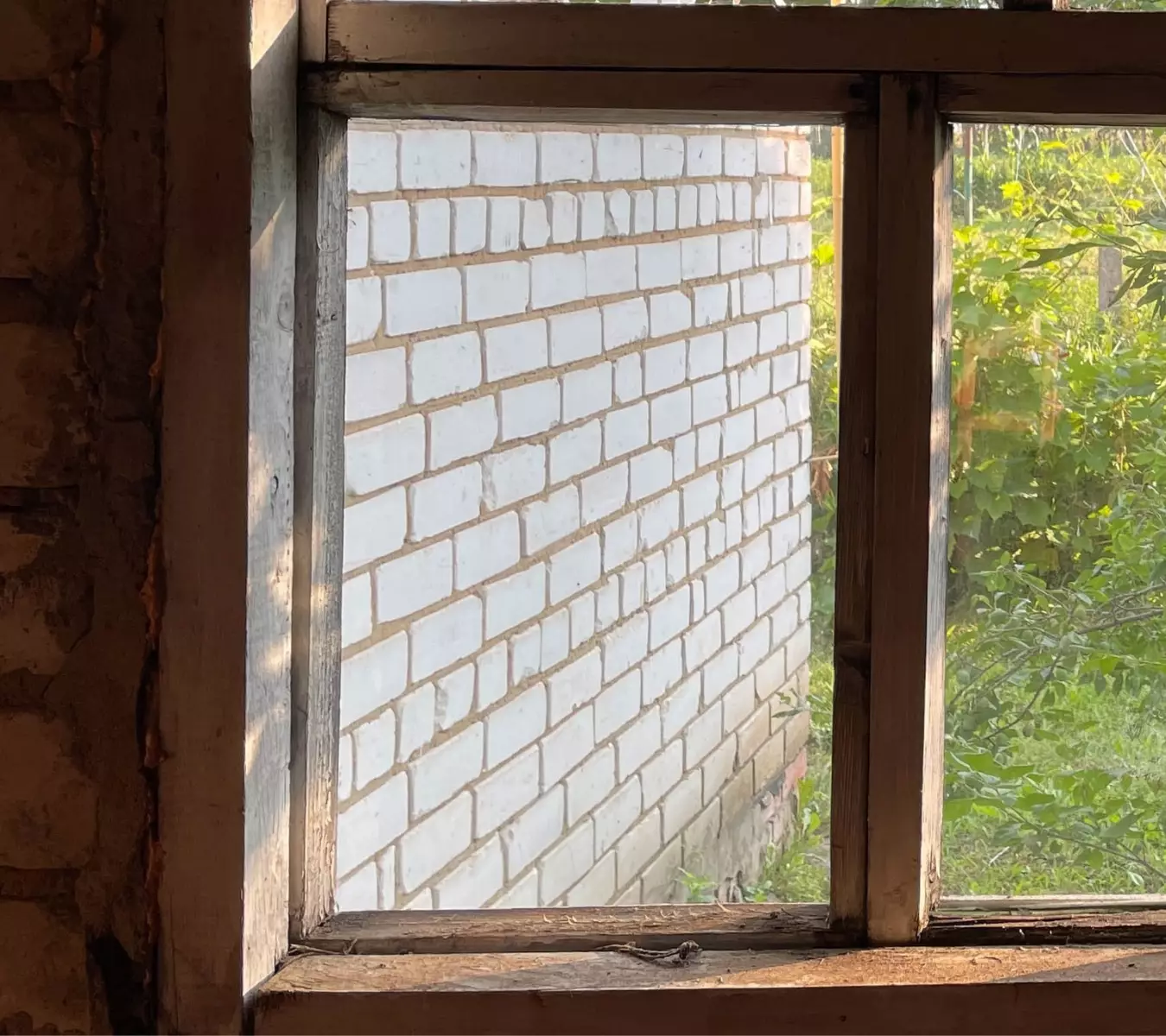
Run a first-pass triage in this order:
- Water signals: Repeat staining at corners, paint failure that returns in the same area
- Substrate integrity: Probe lower casing corners and sill-adjacent trim for softness
- Drainage note: Identify weep hole paths now so you do not seal them later
- Movement: Check reveals for inconsistency and confirm whether cracks reopen after seasonal cycling
If the wood crushes under light pressure, plan repair before you plan sealant. If you see active water entry, sealing can hide the problem instead of correcting it.
Document what you find. If rot compromises fastening or water management is outside the scope, write it down and rescope before you seal.
Locate the air path in an older window assembly
Many draft callbacks come from the wrong target. You seal the visible perimeter, then the complaint stays because the air path is actually behind the trim.
When you upgrade old windows, separate the work into two planes. The finish joint is the visible seam at the casing or brickmold. The rough opening is the hidden gap between the unit and the framing.
Before you reseal the exterior, run this confirmation sequence:
- Check the finish joint for cracks or sections that pulled away from one side.
- Move inside and confirm whether air is leaking at the stool line or the lower corners.
- If access allows it, pull a short run of interior casing and look for open voids.
- On an older double-hung, treat weight pockets and pulley cavities as possible bypass channels.
Tightening the correct plane can help improve window efficiency by reducing uncontrolled air movement. It can also reduce leak noise that rides through gaps.
Build the hybrid sealant system for older openings
Once you know which plane is leaking, build the system around that plane. Treat the rough opening and the finish joint as different work.
Rough opening strategy
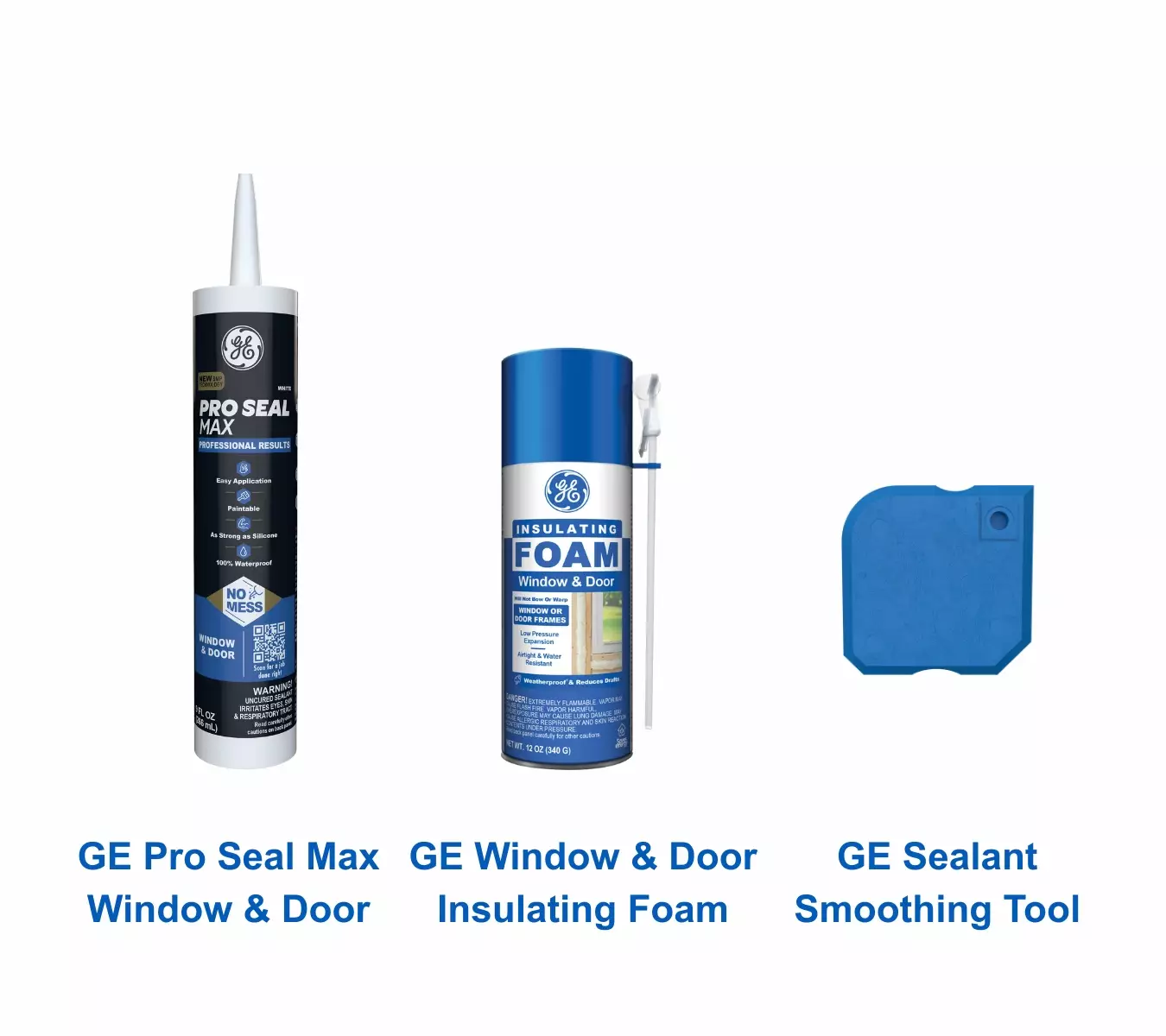
If you can access behind the trim, start at the rough opening. When the void is too large for a sealant bead and you need to avoid bowing the frame, use GE Window & Door Insulating Foam:
- Apply in controlled amounts, and do not pack the cavity full.
- Leave room for expansion near trim and stops that can deflect.
- Trim excess after cure so the casing sits flat.
- If the insulating foam will be exposed, coat or cover it.
Finish joint strategy
At the finish joint, you need a bead that tolerates movement and still finishes clean across mixed surfaces. On older retrofits, that can mean aged paint on wood meeting a masonry patch or wrapped metal.
Use GE Pro Seal Max Window & Door at this perimeter joint. It is immediately water-ready and 60-minute paint-ready. It also meets ASTM C-920 class requirements and is rated for joint movement.
Joint control and drainage guardrails
A backer rod carries most of the load when the gap is deeper than the bead should be. It sets depth and helps keep adhesion on two sides instead of three.
Tool the bead with a glove or a tooling device, such as the GE Sealant Smoothing Tool. It helps you keep a consistent bead shape on long runs.
Ensure you are not sealing over any path designed to drain, including window weep holes.
Window retrofit sequence for nonstandard openings and shifting frames
Older openings punish shortcuts. So, run the work in a fixed order: prep the surfaces, control the changing gap, then place and tool the bead without touching drainage paths.
Prep for adhesion on older substrates
Remove old material as completely as access allows, then chase residue until the surface will hold a bead. The GE Sealant Remover Tool can help you break cured material and scrape clean without gouging the substrate.
You want to cut back to a stable edge on any flaking paint. If the surface is loose or oily, adhesion will likely fail no matter how clean the bead looks. Also, if the surface is a wrap or coating you cannot identify, clean a small test area and run a short bead. If it releases from one side, address the surface prep before you run the hybrid sealant bead on the full joint.
Handle a gap that changes across the run
Where the joint opens up, set depth with a backer rod so the bead doesn’t become a deep plug.
And where the gap tightens, do not force the backer rod into a space that cannot take it. If the joint swings wider than you can bridge cleanly, stop and rescope. That section probably needs repair, not sealant.
Cut for the widest section you plan to seal, then control bead size with gun speed and trigger pressure as the joint narrows. If the gap shifts beyond what that cut can place cleanly, stop and recut.
Once the gap is controlled, you can move to the next step.
Place and tool the bead for movement
With the gap controlled, place the bead of GE Pro Seal Max Window & Door hybrid sealant so it survives seasonal cycling. Run a continuous bead where you can. When you have to stop, restart with a short overlap and keep the seam out of sight.
Tool concave for side contact, then stop. One steady pass is usually enough to set the bead against both sides. That contact matters more than a perfect profile, especially at corners and patch transitions where split beads start. Again, keep weep holes open while you work.
Upgrade old doors without creating threshold callbacks
Door callbacks usually trace back to bypass paths. When you upgrade old doors, start by finding where air is slipping past compression and transitions.

Find the bypass points first
Look hard at the latch side. Inconsistent weatherstrip contact leaves a long, thin leak path that sealant will not fix. Check the lower corners at the jamb-to-sill junction.
That corner can bypass straight into the rough opening when the joint is open behind the trim.
Seal what is stable
Confirm sweep and weatherstrip contact before you seal. Then seal frame-to-trim and frame-to-substrate joints where you can see bypass, using the same finish-joint approach you used at windows above.
If you can access behind the interior casing, targeted insulating foam can reduce bulk air movement, but only where expansion will not distort the frame.
Keep thresholds serviceable. Do not seal drainage routes, adjustable threshold interfaces, or any joint that is designed to move.
Conclusion
Retrofitting older windows and doors pays when you treat it like controlled air sealing, not cosmetic caulk.
Triage the opening, locate the air path, then execute in order with clean surfaces and controlled depth.
Keep drainage functional as you close out. And if the substrate is failing, bulk water is present, or the door will not compress, sealing will only hide the problem.
Find GE products for your next retrofit. Stock what you need for the openings you walk into. Find a store near you in the U.S. or Canada.


