Note: This DIY article is provided as a general guide only and is not intended to take the place of product-specific installation procedures; always follow applicable manufacturers’ instructions. Depending on your home’s age and condition, location within the home, and other potential factors, repairs and/or upgrades or other services may be necessary prior to the beginning and/or completion of your project that may involve the services of a home improvement professional. This article does not include advice pertaining to local building codes and/or any related inspections.
When it comes to silicone sealant vs. caulk, many DIYers are unsure which product is the better fit for their project. While both can seal gaps and improve the look of a finished space, they perform very differently depending on the conditions. Understanding when to use caulk and when to use silicone sealant helps you choose the right material and get results that hold up over time.
When comparing silicone sealant vs. caulk, using the right product simplifies the decision and improves long-term results. For areas exposed to moisture or movement, GE Advanced Silicone Kitchen & Bath Sealant is a reliable choice, while GE Pro Seal Max Window & Door Sealant provides a paintable option with durable performance for projects requiring a cleaner finished look around trim, windows, or doors.
What is the difference between caulk and silicone sealant?
The main difference in caulk vs. silicone sealant comes down to performance and intended use. Traditional caulk is often paintable and commonly used for interior finishing work, such as sealing gaps along trim, baseboards, and molding. It is easy to apply and clean up and is often the practical choice for visible areas where appearance matters.
Silicone sealant, by contrast, is designed for durability and long-term protection. It forms flexible, waterproof seals that hold up well in areas exposed to the damaging forces of moisture, temperature changes, and joint movement. Unlike most types of caulk, silicone does not shrink or crack as easily over time. While both products can fill gaps, the general rule of practice is that silicone sealant is the better choice for more demanding physical conditions, while caulk is best suited for paintable interior applications.
When to use caulk
Caulk works well along trim, baseboards, crown molding, and door or window casings, where the goal is to create smooth transitions, blending seamlessly once painted. Because it accepts paint easily, it helps create clean, uniform lines across visible surfaces.
This type of caulk is also quite easy to tool and clean up, which can make it more forgiving for quick DIY touchups or detail work. For small gaps in low-moisture areas, it provides a neat, sufficient finish. In areas exposed to more punishing conditions, it may not hold up as well over time.
When silicone sealant is the better choice
In kitchens and bathrooms, silicone sealant forms a waterproof seal around sinks, tubs, and backsplashes that holds up to regular exposure to water and humidity. It is also well-suited for windows and doors, where materials tend to expand and contract with temperature changes and require a seal that can move without breaking.
Unlike standard caulk, silicone remains flexible over time and resists shrinking, cracking, or pulling away from surfaces. This makes it a reliable option for joints that experience frequent movement or stress. It also adheres well to non-porous materials such as:
- Glass
- Metal
- Ceramic
For exterior projects generally, silicone sealant provides added protection against weather, UV exposure, and temperature swings.
Caulk vs. silicone sealant: quick decisions for common projects
At the job level, the choice is less about definitions and more about conditions. Use this quick breakdown to decide fast:
- Around sinks, tubs, and shower seams: Silicone sealant. Constant moisture and cleaning exposure will break down paintable caulk quickly.
- Window and door exteriors: Silicone sealant. Movement and weather demand flexibility and long-term adhesion.
- Interior trim and baseboards: Paintable caulk. These areas stay dry and need a finish that blends into painted surfaces.
- Mixed-material joints (tile to drywall, metal to wood): Silicone sealant. It bonds better across non-porous surfaces and handles movement.
- Small cosmetic gaps before painting: Paintable caulk. It is easier to tool and disappears under paint.
- Exterior wall penetrations and utility entries: Silicone sealant. These joints face weather, movement, and moisture exposure, so long-term flexibility matters.
When in doubt, base the decision on exposure. If the area sees moisture, movement, or outdoor conditions, silicone sealant is the safer choice.
GE sealants that make the choice easier
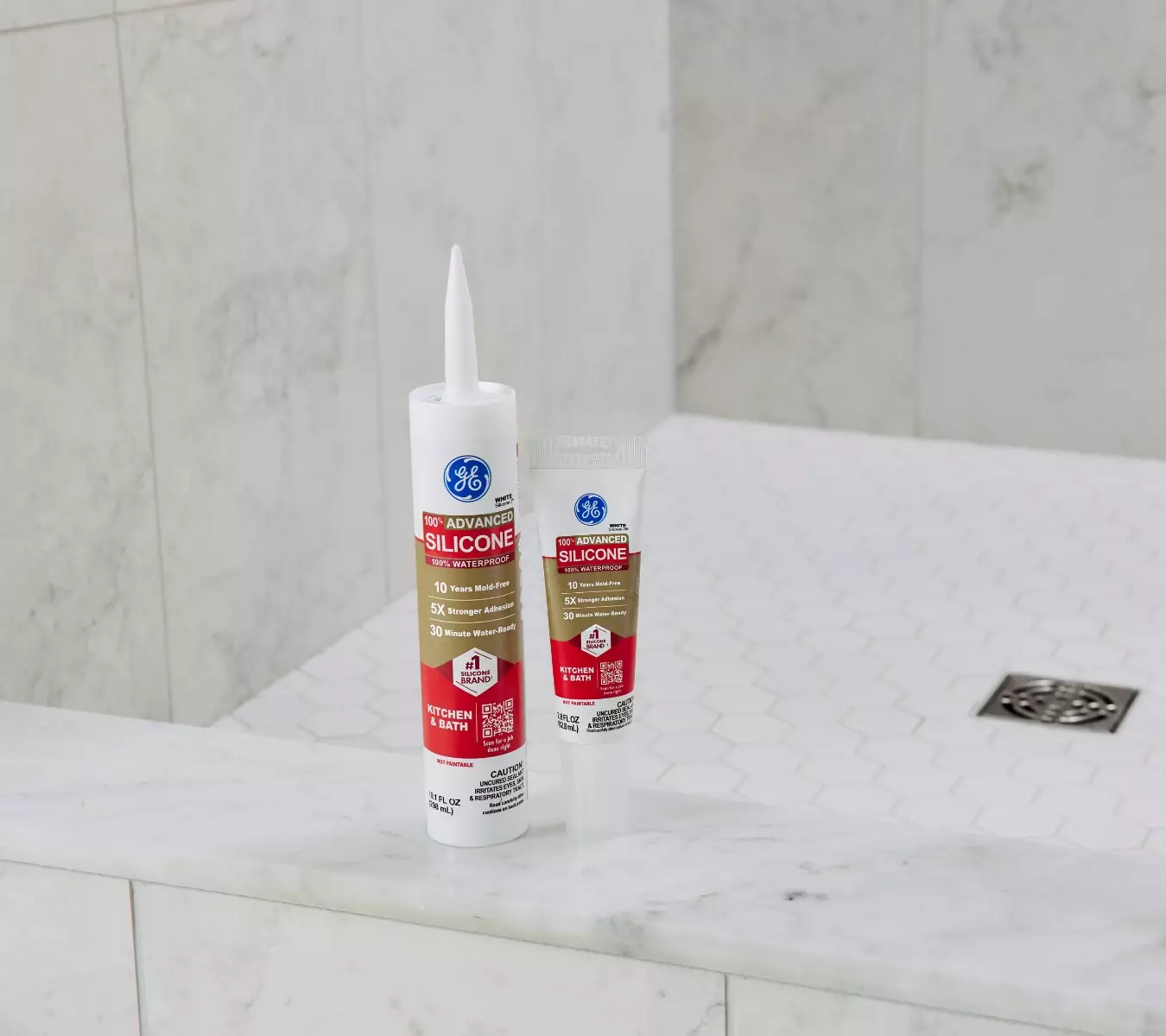
When comparing silicone sealant vs. caulk, using the right product simplifies the decision and improves long-term results. For areas exposed to moisture or movement, GE Advanced Silicone Kitchen & Bath Sealant is a reliable choice. Excelling in kitchens, bathrooms, and other high-humidity spaces, it offers strong adhesion, flexibility, and resistance to mold and mildew.
For projects that require a cleaner finished look around trim, windows, or doors, GE Pro Seal Max Window & Door Sealant provides a paintable option with durable performance. It adheres well to common building materials and facilitates a smooth, professional finish without sacrificing flexibility. Pairing the right sealant with the demands of the project removes guesswork. Instead of forcing one product to handle every condition, you can match performance to the environment and get a cleaner, longer-lasting result.
Application tools for better results
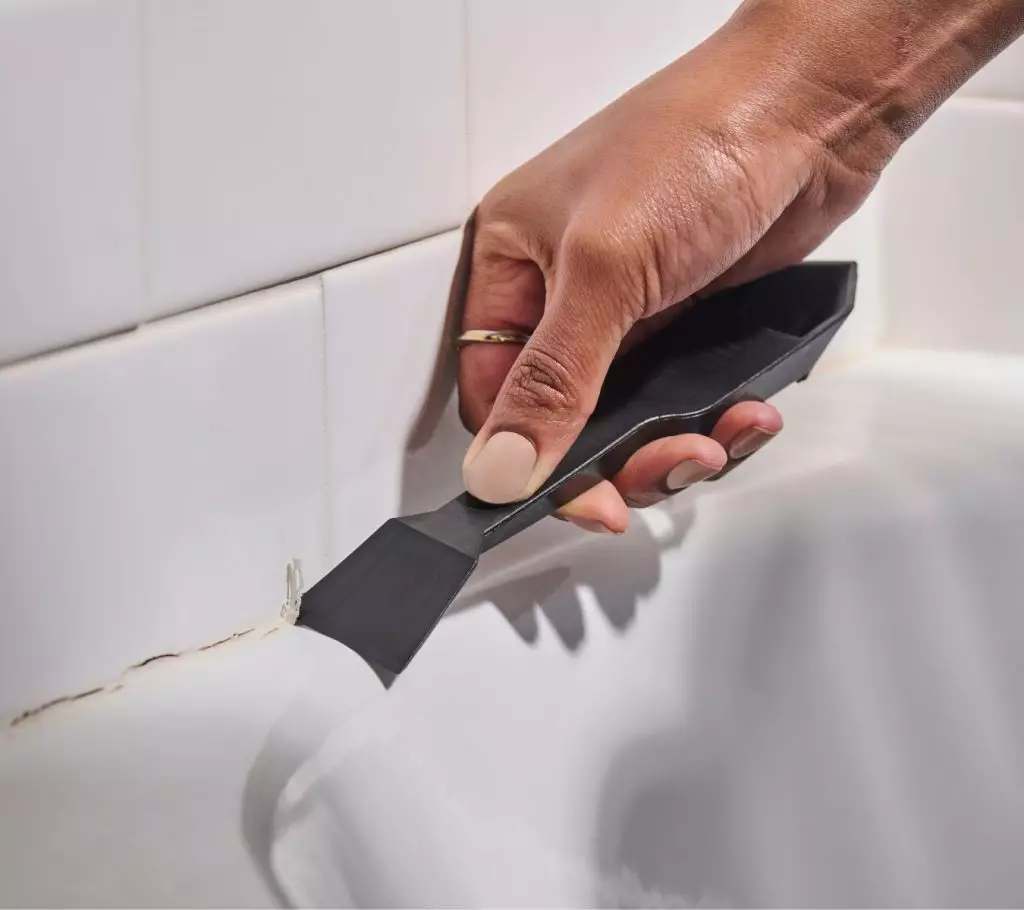
Even the right sealant can end up looking messy if applied poorly. Clean removal and controlled application both make a noticeable difference in how the finished joint looks and how long it lasts. Before applying new material, use the GE Sealant Remover Tool to strip out old caulk or silicone completely. This step helps ensure proper adhesion and prevents weak spots in the new bead.
During application, consistency also matters. The GE Sealant Smoothing Tool helps shape a uniform bead while pressing sealant firmly into the joint. This improves contact with both surfaces and reduces excess buildup along the edges. With the right tools, you’ll get a cleaner line, better control, and a more reliable seal from the start.
To get GE Sealants’ products for your home improvement project, visit these fine retailers in the U.S. or Canada.