
Note: This DIY article is provided as a general guide only and is not intended to take the place of product-specific installation procedures; always follow applicable manufacturers’ instructions. Depending on your home’s age and condition, location within the home, and other potential factors, repairs and/or upgrades or other services may be necessary prior to the beginning and/or completion of your project that may involve the services of a home improvement professional. This article does not include advice pertaining to local building codes and/or any related inspections.
The end of the year is a natural checkpoint for your home’s systems. Before the year turns, use this home maintenance checklist to catch moisture, airflow, and electrical issues before they grow. Each check strengthens your home’s safety, durability, and energy balance.
The work you do now shapes how your home performs next year. Every inspection, seal, and small repair adds up to a season ready to handle what comes.
How to use this home maintenance checklist
The goal of this annual home maintenance checklist is simple: prevent small problems from becoming costly ones.
Start by separating what needs attention now from what can wait a few weeks.
Outside, move from the roofline down to the foundation. Indoors, take it room by room to stay organized and avoid missed spots.
Safety first: alarms, wiring protection, and dryer-vent fire checks
Start your home maintenance checklist with safety checks that prevent common hazards. Work through these steps before you move on to exterior work.
Each one helps reduce risks you can’t always see but can easily prevent:
- Smoke alarms: Test each unit monthly to confirm it still responds. You usually want to replace alarms at the 10-year mark.
- Carbon monoxide alarms: Test (and repeat monthly) and replace on the manufacturer’s schedule. Have these alarms on each level and near any combustion appliances or an attached garage.
- GFCI/AFCI outlets: These provide shock and arc-fault protection. Press the test button, then confirm the outlet clicks off and resets. If it doesn’t, replace the device or call a licensed electrician.
- Check fire extinguishers: Ensure the gauge is in the green, the pin is secure, the nozzle is clear, and it’s mounted where you can reach it quickly.
- Dryer vent: Clean the lint screen after every load, then vacuum the duct and exterior hood to clear lint and nests. Confirm that the exterior flap moves freely.
Inspect the roof and gutters to keep water moving
The roof and gutters manage every drop that lands on your house. When they stay clear, water drains away from walls, windows, and the foundation. Check both systems before heavy rain or cold weather. Work from the ground or a stable ladder, never from the roof itself.
Focus on these key points:
- Gutters and downspouts: Clean them at least twice a year and after major storms. Make sure downspouts carry water several feet away from the foundation. Add splash blocks or extensions if needed.
- Roof scan: From a safe position, look for missing or curled shingles, lifted edges, or dark patches where granules have worn away. Watch for debris in valleys or along flashing where water can back up.
- Flashing and penetrations: Inspect the metal around chimneys, vents, and skylights. Look for gaps or rust that could let water in. If anything shifts or separates, note it for a roofing professional.
- Debris and moss: Clear branches and leaves that trap moisture. Avoid scraping or harsh cleaners. You may want to call a licensed contractor for moss or heavy buildup removal.
Use ladders safely, keep three points of contact, and stay off steep or fragile surfaces.
Seal windows, doors, and gaps to save energy
Unsealed joints around your windows, doors, and service lines are a common path for heat loss and drafts. Sealing them helps tighten the building envelope and reduce wasted heating and cooling.
Work the exterior first, where the weather hits the hardest, then move around your house. Add this step to your home maintenance checklist to lock in comfort through the seasons.
Here are areas you want to focus on:
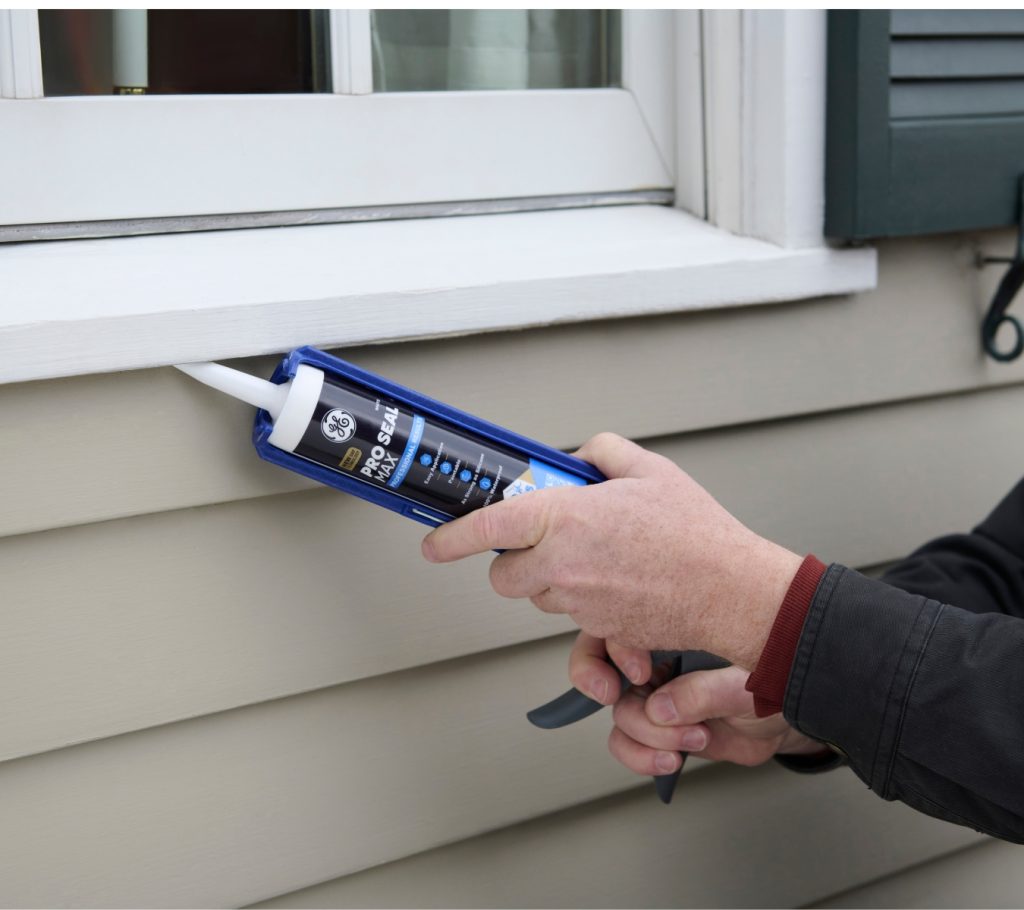
- Perimeter joints: Inspect exterior window and door perimeters. Look for cracked, loose, or missing sealant beads. Remove any failed caulk you find, clean the joint, and reseal.
- Weatherstripping: Check door sweeps and window sashes. If light or air can pass through, it’s time to replace the strip to help reduce drafts and keep conditioned air inside.
- Service penetrations: Seal around pipes, vents, and cable entries where they pass through walls. Even small gaps here can become major energy leaks and pest entry points.
Be sure to use the right window and door sealant when sealing:
- Good: GE Advanced Silicone Window & Door – for joints you will not paint, as it’s 100% silicone.
- Better: GE Supreme Silicone Window & Door – another 100% silicone for your non-paint applications, but with elevated durability positioning.
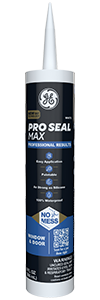
- Best: GE Pro Seal Max Window & Door – an SMP hybrid for joints that will be painted after cure.
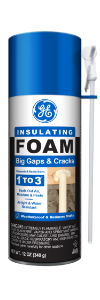
For larger voids: use GE Pest Block Insulating Foam for small pest-entry gaps or GE Big Gaps & Cracks for spaces up to three inches.
Seal wet areas in bathrooms and kitchens
Moisture spreads quietly behind failed beads. When this happens, it softens drywall, feeds mold, and stains tile joints before you can see it. Getting in front of this helps protect finishes and framing alike.
Include this inspection and reseal tasks in your annual home maintenance checklist to prevent damage. Focus on these areas:
- Tubs and showers: Check the joints where tile, tub, or surround meets the wall. Cut out cracked or separated sealant, clean thoroughly, let it dry, and reseal.
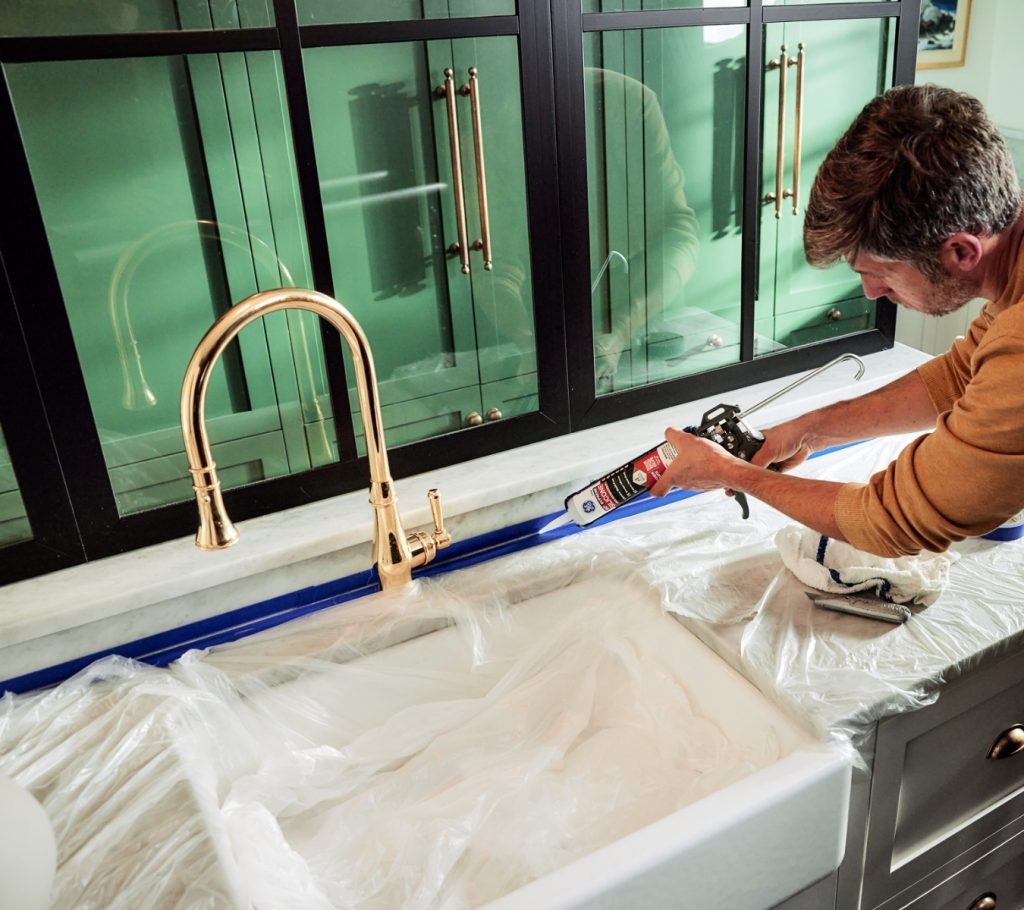
- Sinks and backsplashes: Look along countertop edges and faucet bases. If the bead shows gaps or discoloration, replace it. Clean edges with isopropyl alcohol before resealing to promote adhesion, then reseal.
Mask both sides of the joint for clean lines. Then, tool the new bead with the GE Sealant Smoothing Tool. Follow the cure guidance on the GE sealant’s label before exposing the joint to water.
Choose your GE sealant:
- Good: Use Advanced Silicone Kitchen & Bath Sealant, a non-paintable 100% silicone with mold-free protection for up to 10 years.
- Better: Use Supreme Silicone Kitchen & Bath Sealant for tubs, showers, or areas that stay wet.
- Best: Use Pro Seal Max Kitchen & Bath when you will paint the bead, such as along backsplash edges or counters.
Check airflow and comfort systems for efficient performance
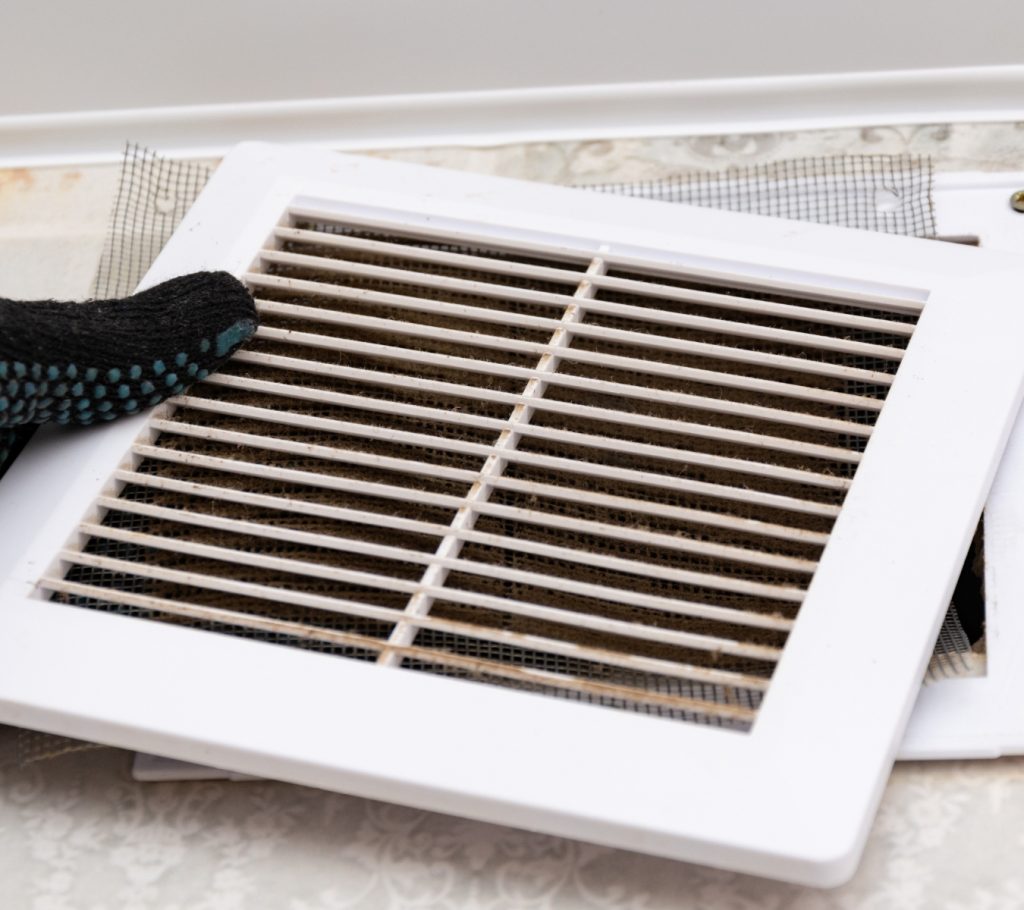
Airflow keeps your home’s temperature and air quality steady. When dust builds up on filters and coils, systems work longer to move the same air, wasting energy and raising wear.
Checks these areas to help maintain comfort and efficiency:
- HVAC filter: Check the filter every month. Replace it about every three months, or sooner with pets, allergies, or heavy use. A clean filter keeps air moving freely and helps the system run efficiently.
- Appliance efficiency: Vacuum the refrigerator’s condenser coils (usually at the back or underneath the unit) and clean the range hood filter. These areas collect grease and dust that trap heat and slow cooling, which is why you want to remove them.
- Draft audit: Stand near doors or windows on a windy day. If you feel air movement, review the sealing we covered earlier and refresh weatherstripping where needed.
Each task is a valuable addition to your annual home maintenance checklist. They also take minutes and help maintain air quality, system life, and comfort year-round.
Seasonal plumbing and basement systems
Cold weather can strain your plumbing and flood-prevention systems.
Include these plumbing steps in your home maintenance checklist so they don’t get missed next year:
- Exterior hose bibs: Shut off the interior valve feeding each of your outdoor faucets. Open the exterior spigots to drain remaining water, remove hoses, and attach insulated covers if exposed.
- Sump pump test: Pour a bucket of water into the pit. Watch for the float to rise and the pump to discharge properly. Verify that the outlet hose drains clear of the foundation and the pump stops once the pit is empty.
Each step helps confirm that water systems can handle freeze and thaw cycles without strain.
Carry your annual home maintenance checklist into next year
Review your notes from this year and turn them into next year’s plan.
Set reminders on your phone, perhaps, for routine checks, like filters, alarms, and seasonal inspections, and spread them out so no single month feels overloaded.
Handle outdoor work like gutter cleaning and perimeter sealing in the spring or fall when temperatures are steady and access is safe. Save your indoor maintenance tasks for the winter months: resealing joints, cleaning vents, or replacing filters when outdoor projects slow down.
Consider recording each sealing job you do. Note details like location, date, and product used for reference. Keeping that record up to date helps you plan inspections efficiently.
With your annual home maintenance checklist as your guide, you can start every season prepared and every project on schedule.
Ready to seal, reseal, or weatherproof your home ahead of next year? Find GE products at a retailer near you in the U.S. or Canada.