Each faulty sealant bead comes at a double cost—corrective labor to fix it, and loss of professional credibility. Here’s the quick reference that shows which silicone sealant holds up in kitchens, baths, windows, and exteriors.
Quick reference
When the job demands speed and certainty, here’s the at-a-glance map for choosing the right silicone sealant:
- Kitchen and bath: Use mildew-resistant, neutral-cure, 100% silicone. Choose a paintable hybrid only if the bead must be painted on the trim.
- Windows and doors: Select ASTM C920 Class 35–50 sealants for perimeter joints.
- Concrete joints: Pick 100% silicone rated for exterior work.
- Gutters: Choose UV-stable 100% silicone built for wet exposure.
- Metal and flashing: Use neutral-cure silicone to prevent corrosion and staining.
- Interior trim: On trim that takes paint, choose a hybrid or acrylic. Don’t waste silicone where you’ll need a topcoat.
This grid keeps the application and spec aligned so you don’t waste labor fixing the wrong bead.
Most exterior perimeter joints see enough movement to call for ASTM C920 Class 35 or 50 sealants. Class 25 only works when joint design limits movement.
How to choose silicone sealant: the 6 criteria that matter
Before you pick a bead, check these six factors. This is how to choose a silicone sealant that performs to spec and avoids callbacks:
1. Movement class (ASTM C920): Match joint width and expected movement. Classes 35 to 50 are common for exteriors.
2. Chemistry:
-
- 100% silicone for maximum durability. Non-paintable.
- Paintable hybrid (SMP “paintable silicone”) when paint coverage is required.
- Siliconized acrylic for low-exposure interior trim.
3. Paintability vs. performance: Don’t trade durability for paint unless required.
4. Water or rain-ready and temperature: Specs range from 30-minute rain-ready to cold-weather rated.
5. Substrate compatibility: Verify adhesion to vinyl, fiber cement, masonry, natural stone, metals, etc.
6. Spec constraints: Some jobs need ASTM C920 silicone only.
Silicone sealant applications: interior vs. exterior demands
Inside and out, joints face different pressures: mildew inside, weather outside. The bead has to match the conditions:
- Interior: Pick mold-free, neutral-cure silicone sealant with low VOCs so cleaning cycles don’t break it down.
- Exterior: Match the movement class to the joint.
- Scheduling: On tight schedules, rain-ready sealants keep you from losing a day to weather.
When you match your sealant of choice to the environment, you avoid mildew callbacks inside or cracked joints outside.
Application deep dives and GE silicone sealant picks
Every job has its own failure traps. Kitchens breed mildew, windows fight movement, and trim demands paint. The right silicone sealant applications come down to matching the problem, spec, and product.
Kitchen and bath
Moisture and cleaning cycles punish joints in kitchens and baths. Mildew grows fast, and harsh cleaners break down weak beads. Natural stone and metal finishes can also stain if you use the wrong sealant chemistry. The right silicone sealant here is 100% silicone, neutral-cure, and mold-resistant:
- Good: GE Advanced Silicone Kitchen & Bath – 10-year mold-free protection.
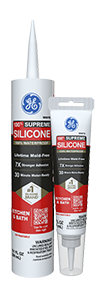
- Better: GE Supreme Silicone Kitchen & Bath – lifetime mold-free warranty, max durability.
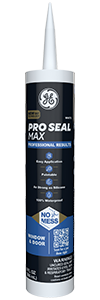
- Best (paintable): GE Pro Seal Max Kitchen & Bath – hybrid for paint-required trim.
You can expect a higher risk of mildew return or surface damage if an acrylic or a non-neutral chemistry product is used in kitchen and bath areas.
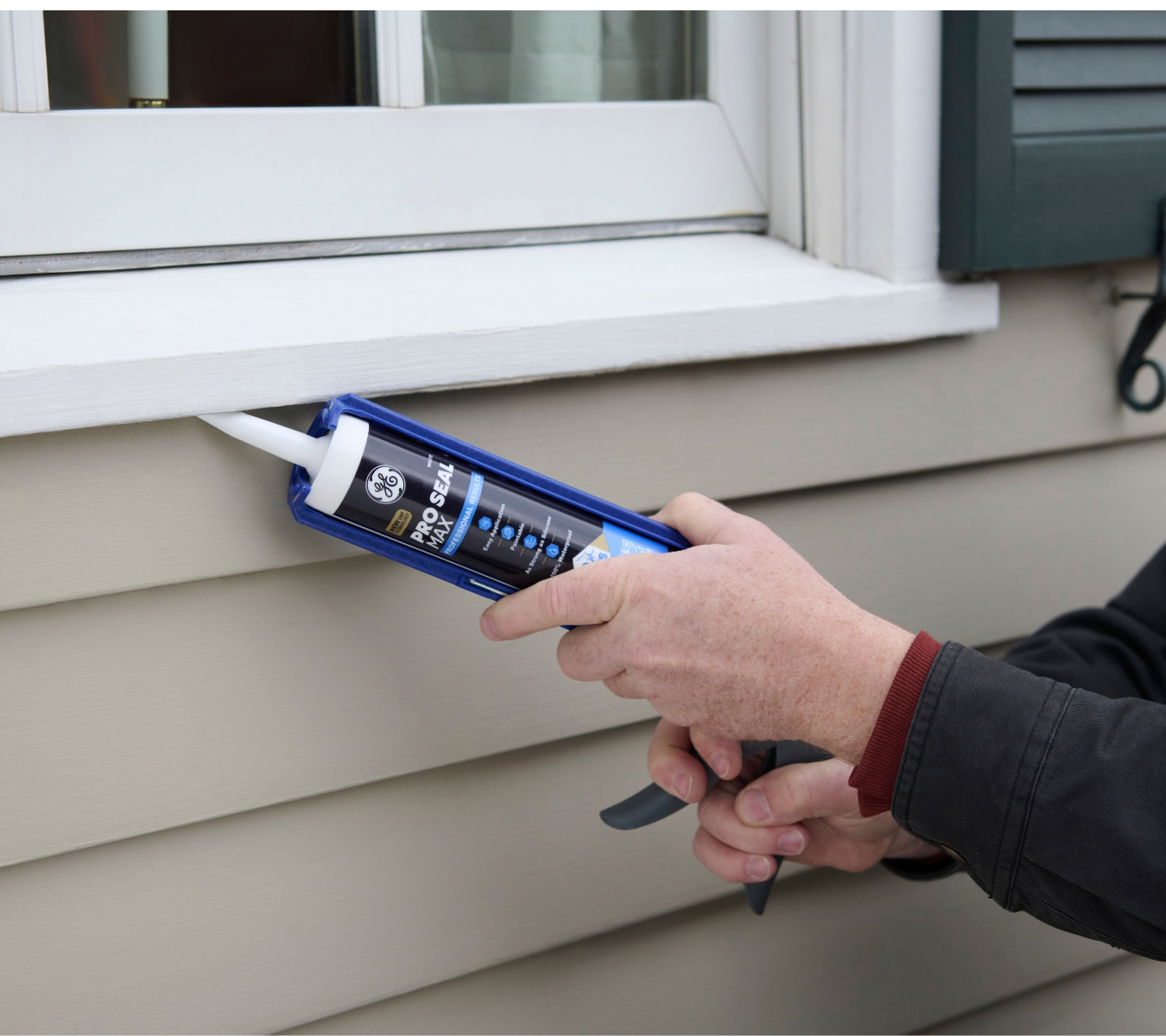
Windows and doors
Perimeter joints take more abuse than almost any bead: thermal swing, dissimilar materials, and wind-driven rain push them hard.
There are two places you want to watch for here: blocked weep holes and undersized joints. Keep the drainage paths open, then size the joint right with a backer rod and a 2:1 geometry. From there, match the movement class to the load. For most exteriors, Class 35–50 keeps joints flexing through the seasons. Class 25 is only safe on low-movement spans designed tightly:
- Good: GE Advanced Silicone Window & Door: Class 35, durable flexibility for standard perimeter joints.
- Better: GE Supreme Silicone Window & Door: Class 50, lifetime mold-free, perimeter-grade.
- Best (paintable): GE Pro Seal Max Window & Door: Hybrid, paintable, rated for application from 0°F to 140°F.
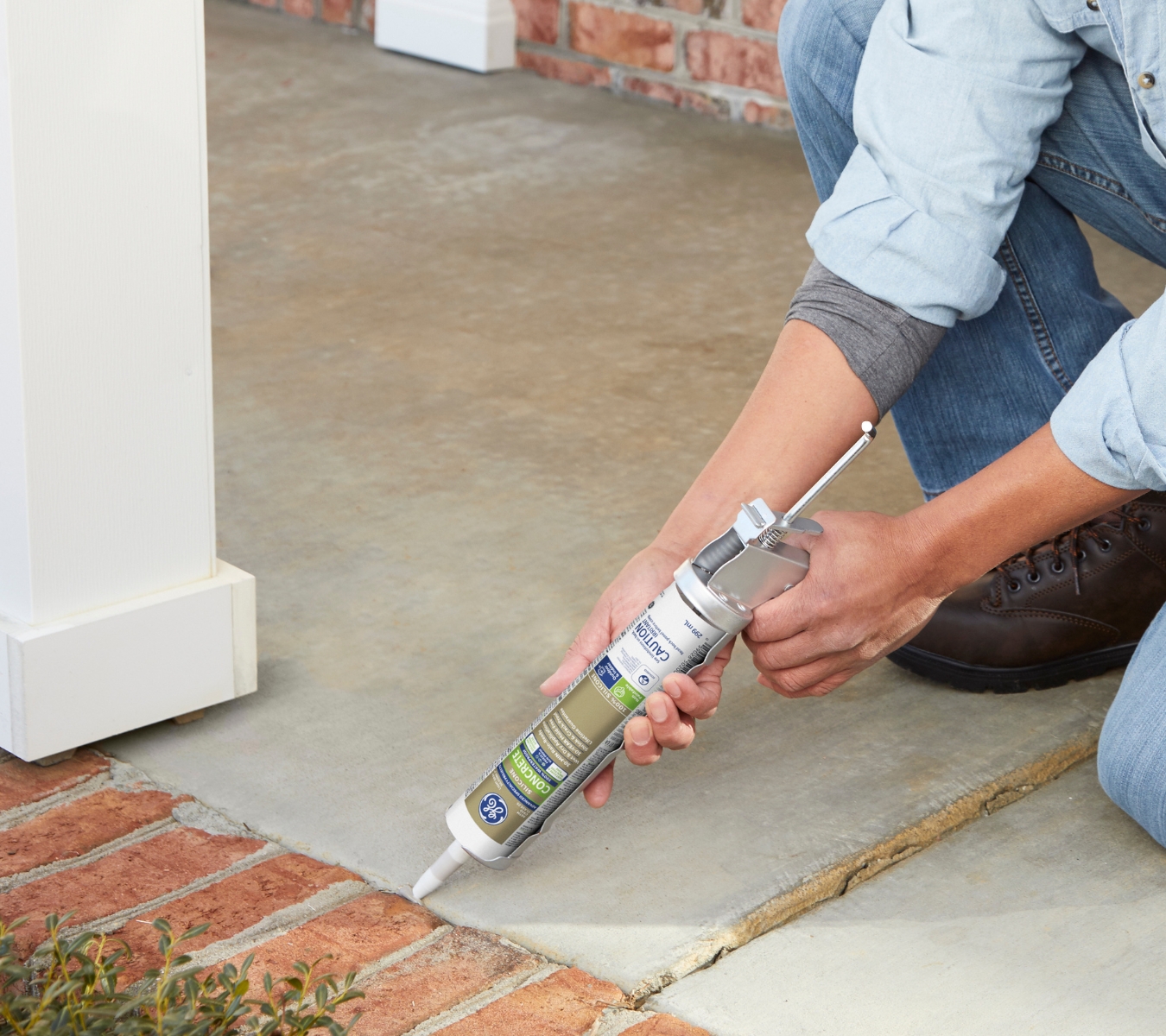
Specialty exteriors: concrete, gutters, metal
Concrete shifts, gutters battle constant wet, and metals stain if the chemistry is wrong. Each needs its own bead, or it turns into a leak path:
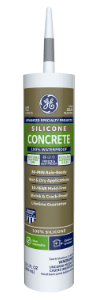
- Concrete: GE Concrete Silicone – Class 35, 30-minute rain-ready, and built to ride out freeze–thaw cycles.
- Gutters: GE Gutter Silicone – Class 25, UV-stable, handles wet exposure (not for continuous immersion).
- Metal & flashing: GE Metal Silicone – Class 35, neutral-cure, safe on most metals; test sensitive finishes.
Miss the match and you’ll see chalking on metal, leaks in gutters, or freeze–thaw cracks in concrete.
Interior paint-grade trim
Trim joints aren’t wet zones. They’re finish lines. Baseboards, casing, crown: low movement, low exposure, but high visibility. Here, the bead has to take paint and vanish:
- GE Pro Seal Max Window & Door: Paintable hybrid, ASTM C920 Class 25 (clear) and 35 (white), paint-ready in 60 minutes, lifetime durability.
- GE Painter’s Pro Siliconized Acrylic Caulk: Siliconized acrylic, ASTM C834, smooth painted finish for interiors.
- GE Seal & Fill Multi-Purpose Window & Door Caulk: Water-based acrylic, ASTM C834, paintable in 30 minutes, easy cleanup.
Application of silicone sealant: joint design and prep essentials
Even the right bead will fail if the joint isn’t properly prepped. These four field essentials ensure your sealant performs to spec:
- Backer rod: Use a backer rod on wide or deep joints to hold the 2:1 width-to-depth ratio and stop three-sided adhesion.
- Substrate prep: Clean, dry, dust-free. Remove all old silicone.
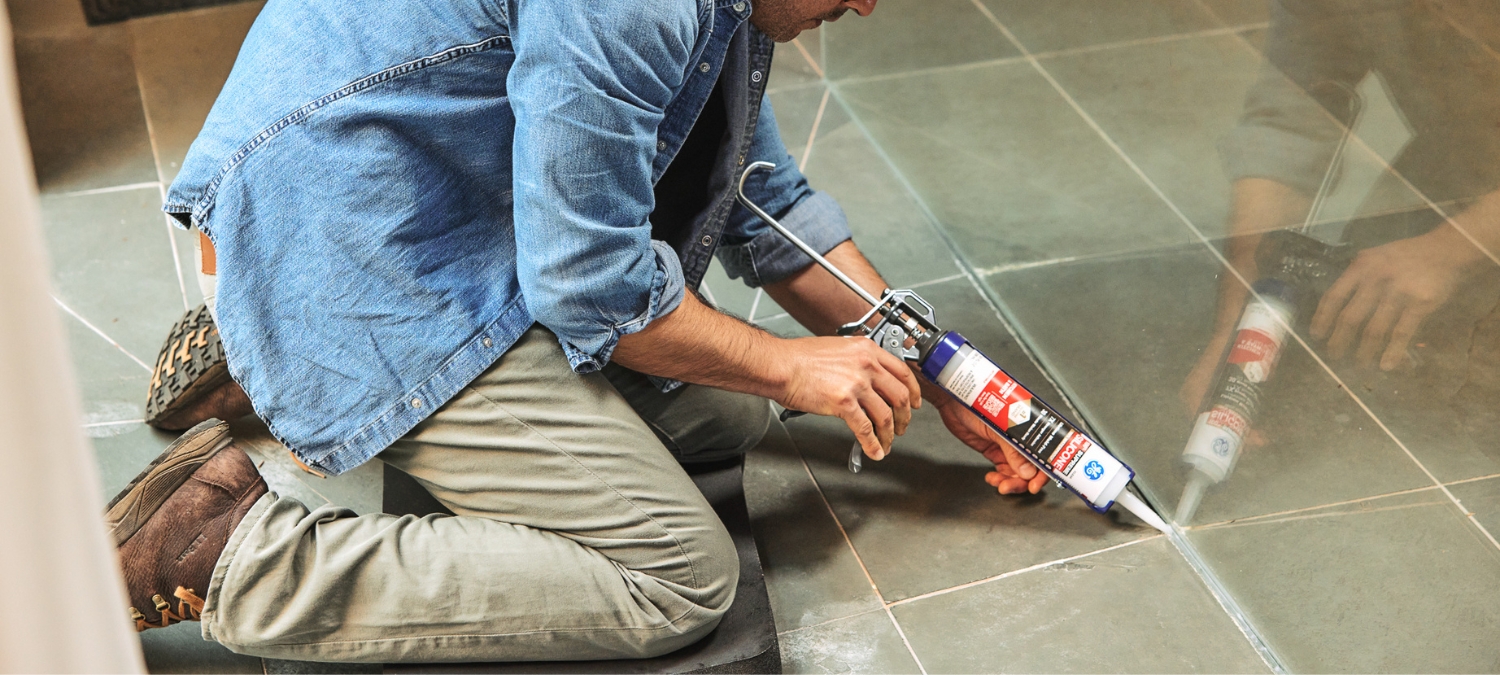
- Tooling: Lay a continuous bead and tool within open time to secure adhesion at both flanks.
- Conditions: Follow the cold-weather and damp-install rules specific to each product.
These steps protect the bead’s movement class and keep the application of silicone sealant performing to spec in the field.
Troubleshooting: why the wrong silicone sealant fails
Failures aren’t random. The wrong silicone sealant leaves signs you can spot at a glance.
- Movement mismatch: On wide perimeter joints, a Class 25 bead splits at corners when the wall flexes.
- Wrong chemistry: Acid-cure marks bare aluminum, and acrylic turns chalky in a season and cracks on siding.
- Paint over silicone: Paint flashes glossy over the bead, breaking the trim line.
- Sealed weep holes: Joints look clean until trapped water pushes inside the frame.
- Early water exposure: A rain hit before the sealant cured will likely leave streaks and gaps down the wall.
Every one of these failures costs labor, margin, or reputation. Get the spec right and those problems to never walk back onto your job.
Keep this silicone sealant by application reference close. The right bead saves labor, protects margins, and keeps jobs closed. For specs, TDS, and job-matched picks, see GE Sealants product pages, connect with GE tech support, or find the right silicone sealant product at a retailer near you in the U.S. or Canada.