Because better painting starts with better prep, learn how to seal smart and paint clean Should you seal or paint first? Here’s what DIYers need to know

Note: This DIY article is provided as a general guide only and is not intended to take the place of product-specific installation procedures; always follow applicable manufacturers’ instructions. Depending on your home’s age and condition, location within the home, and other potential factors, repairs and/or upgrades or other services may be necessary prior to the beginning and/or completion of your project that may involve the services of a home improvement professional. This article does not include advice pertaining to local building codes and/or any related inspections.

If you’re getting ready to paint, you might be wondering whether to seal or paint first. In most cases, sealing gaps and joints before painting gives you a cleaner, longer-lasting finish. With the right prep and a paintable sealant, your project will not only look better but also stand up to wear and moisture over time.

For outdoor projects, GE Exterior Seal Acrylic Caulk is a reliable choice. This acrylic caulk is paintable, weather-resistant, and ideal for sealing gaps in siding, trim, and around windows or doors.

For indoor work, Seal & Fill Multi-Purpose Kitchen & Bath Caulk is designed specifically for painting prep, as it is low odor, easy to apply, and paint-ready quickly.

Should you caulk before painting?

When it comes to painting prep, sealing should almost always come first. Applying caulk or sealant before painting helps fill gaps, smooth transitions, and block out moisture, all of which lead to a cleaner finish and better adhesion.

If you paint first and then try to apply sealant, you’ll likely end up with uneven lines, visible seams, or cracking where materials move. Sealing also helps prevent air leaks and moisture intrusion around joints and trim, especially in areas like baseboards, window frames, and exterior siding.

Once sealed, paint can cover both surfaces in a single, seamless layer. However, it’s important to use a sealant that’s labeled paintable and to let it cure fully before picking up a brush. Non-paintable products like 100% silicone won’t bond well with paint and can cause flaking or discoloration. When in doubt, check the label for compatibility and dry times to avoid peeling or uneven coverage.

Read our article on kitchen-specific sealing and painting tips if you want to learn more.

What to seal before painting?

Before you start painting, take time to inspect the surfaces for gaps, seams, or joints that need sealing. Common areas include:

  • Corners where trim meets walls
  • Baseboards
  • Window frames
  • Door frames
  • Nail holes in molding

On exterior surfaces, check for cracks in siding, gaps around utility penetrations, and seams between boards or panels. Sealing these areas creates a smoother appearance and prevents air or moisture from seeping behind the surface.

You can use the light test, which involves shining a flashlight along edges, or run your finger along seams to feel for gaps that might not be obvious at a glance. Make sure the surface is clean, dry, and stable before applying any sealant. Avoid sealing over loose paint, soft wood, or damp areas, as this can lead to poor adhesion and early failure.

Painting prep tips: choosing the right paintable sealant
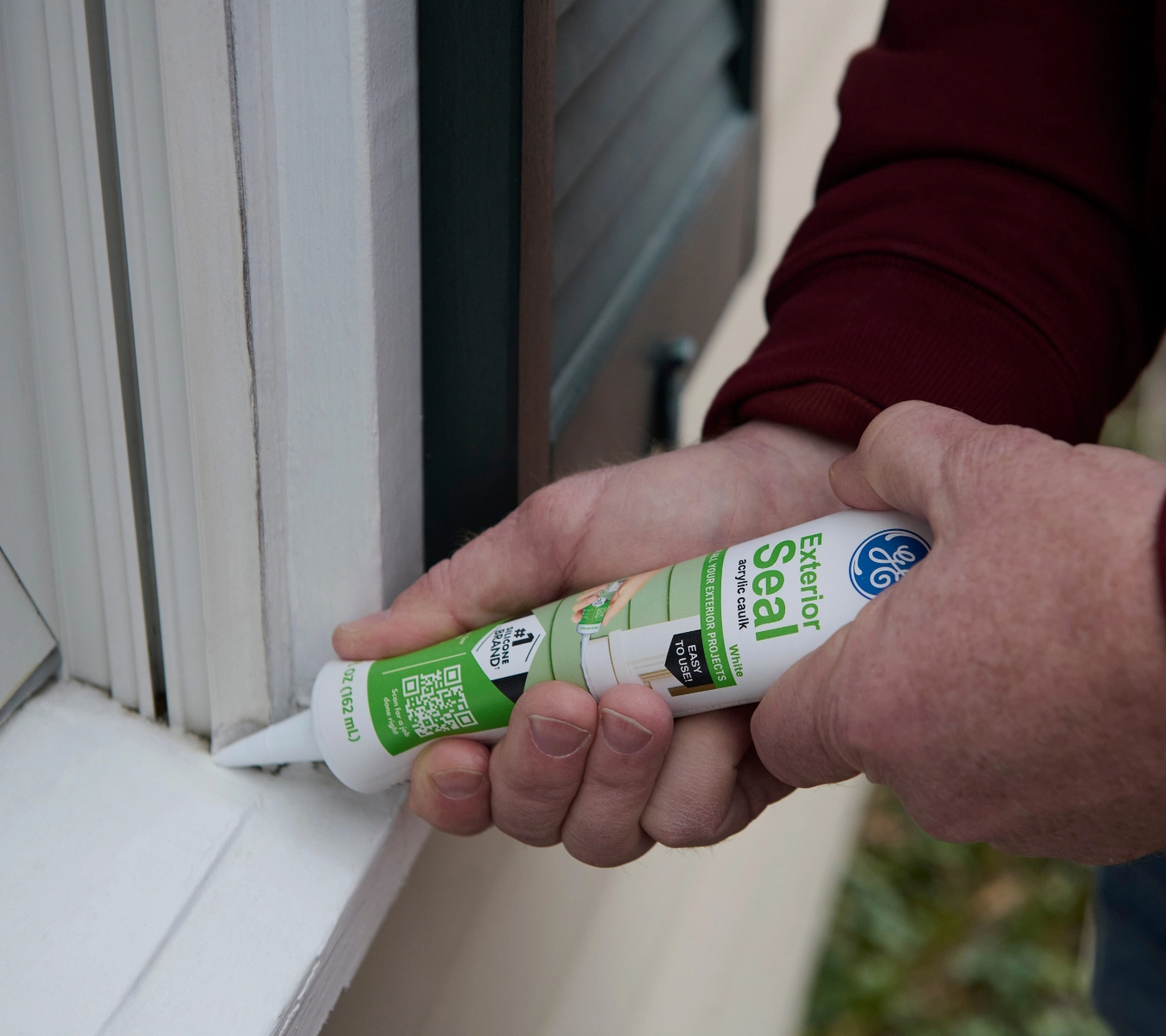
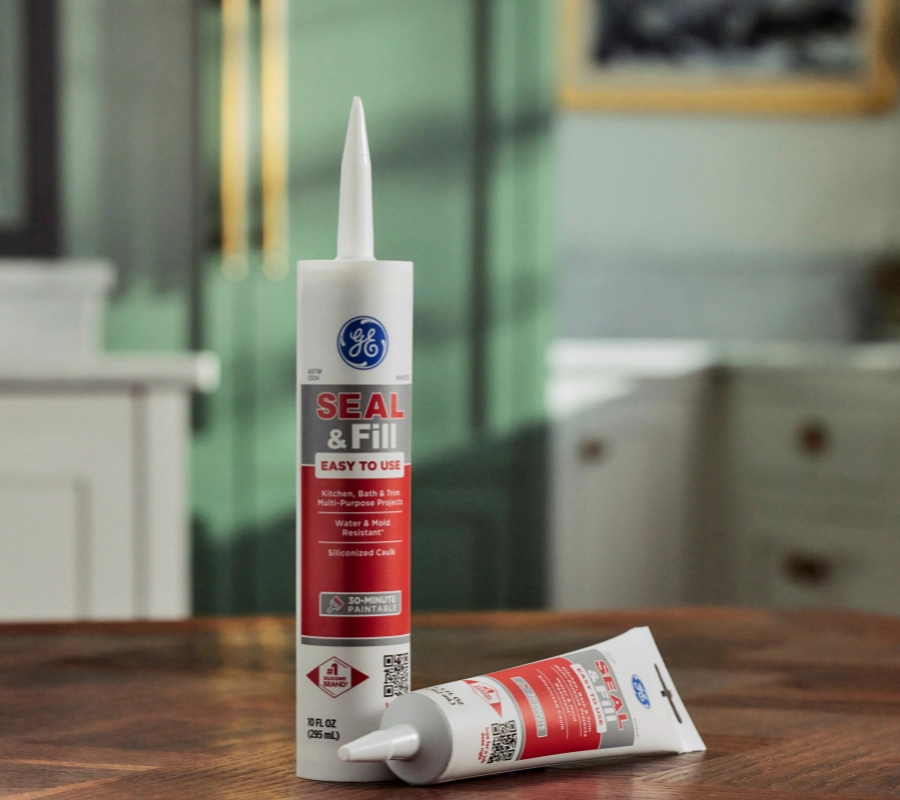
A photo of GE Exterior Seal Acrylic Caulk.
GE Exterior Seal Acrylic Caulk.

For outdoor projects, GE Exterior Seal Acrylic Caulk is a reliable choice. This acrylic caulk is paintable, weather-resistant, and ideal for sealing gaps in siding, trim, and around windows or doors. It adheres well to common exterior materials and holds up against seasonal changes.

Check out our article on exterior home maintenance to learn more.

For indoor work, Seal & Fill Multi-Purpose Kitchen & Bath Caulk is designed specifically for painting prep. It’s low odor, easy to apply, and paint-ready quickly, making it a go-to option for sealing interior trim, baseboards, and wall gaps.

In any case, always check the product label to confirm that the sealant is labeled as paintable and to understand the required cure time before applying paint. Avoid using non-paintable sealants like 100% silicone in paintable areas, as paint will not adhere properly. Using the correct product helps prevent peeling, cracking, or discoloration and will give your final coat a cleaner, more uniform appearance.

How to seal before painting: step-by-step

Sealing before painting helps ensure a smooth, professional-looking finish. Follow these steps to get clean results and long-lasting performance from your paintable sealant.
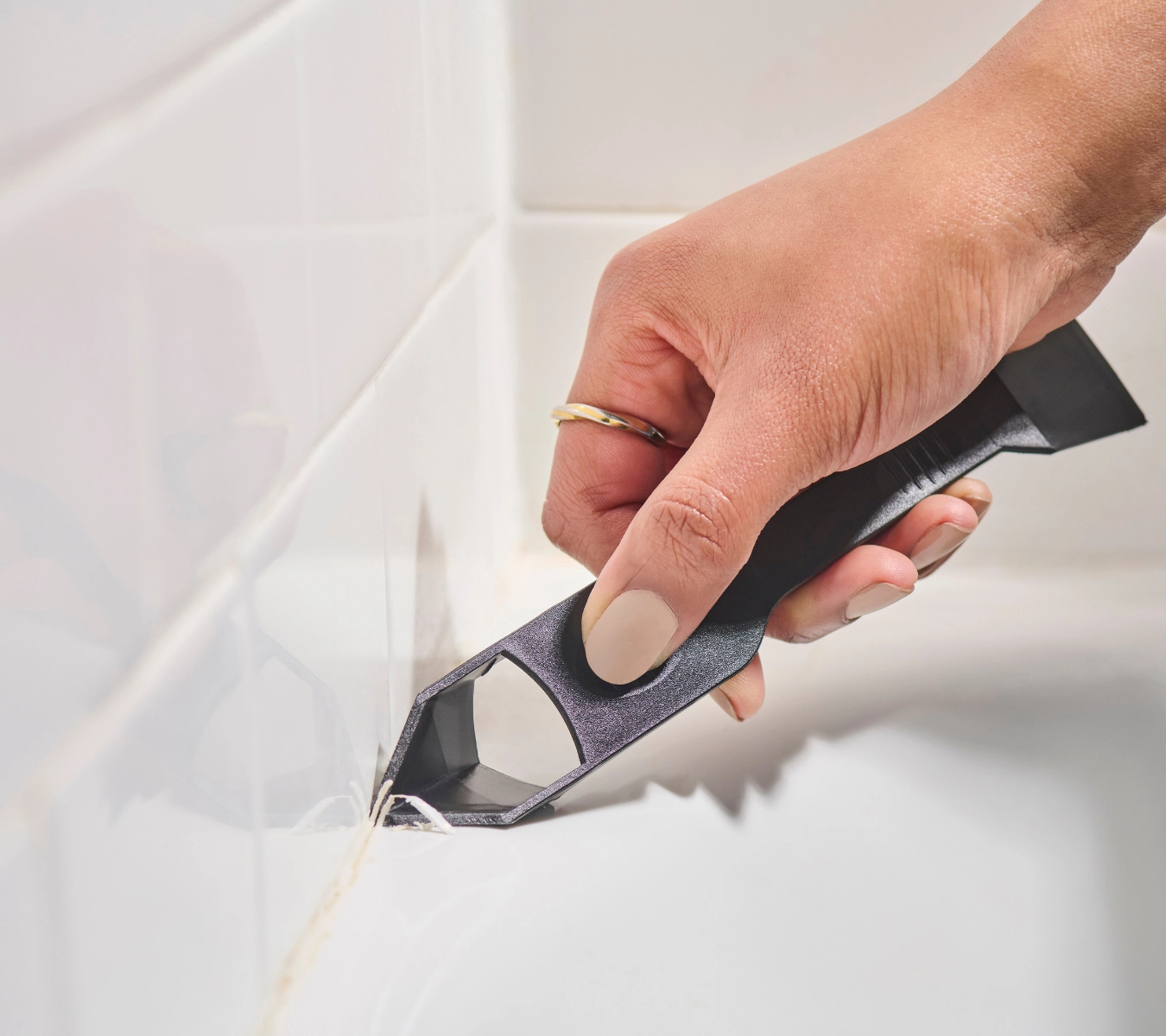
A photo of a homeowner removing old sealant with GE’s Sealant Remover Tool.
A homeowner removes old sealant with GE’s Sealant Remover Tool.
  1. Clean the surface Remove dust, dirt, and any old or cracked sealant from the area using a damp cloth and utility knife or GE’s Sealant Remover Tool. Let the surface dry completely before moving on.
  2. Select the right sealant Use a paintable sealant suited to your project. GE Exterior Seal is ideal for outdoor use, while Seal & Fill Multi-Purpose Kitchen & Bath Caulk works well for interior jobs.
  3. Cut the nozzle Trim the tip of the sealant tube at a 45-degree angle to match the size of the gap. For products with a foil seal, puncture it using a nail or similar tool.
  4. Apply painter’s tape Mask both sides of the gap if you’re sealing along finished surfaces or trim. This helps keep lines neat and prevents excess caulk on visible surfaces.
  5. Apply the sealant Squeeze a steady, even bead of sealant into the gap. Work slowly and keep the angle consistent to avoid skips or bubbles.
  6. Tool the bead Smooth the sealant immediately using a gloved finger or GE’s Sealant Smoothing Tool. Press it into the joint for a tight seal and a clean finish.
  7. Remove the tape and let it cure Pull the painter’s tape away while the sealant is still wet. Allow the sealant to cure fully according to the label before applying paint. This process usually takes a few hours to a full day.

Common mistakes to avoid

Before you start your sealing project, beware of these common sealing mistakes:

  • Avoid painting over sealant that hasn’t fully cured. This can lead to bubbling, cracking, or poor adhesion.
  • Always check the product label for proper cure times and paint compatibility.
  • Don’t use interior caulk on exterior surfaces, as it won’t withstand weather exposure.
  • Overfilling gaps or skipping the smoothing step can leave behind messy lines or weak seals.
  • Never seal over damp, dirty, or unstable surfaces, as this can prevent the sealant from bonding properly.

To get GE Sealants’ products for your home improvement project, visit these fine retailers in the U.S. or Canada.

Learn what makes a sealant truly pro-grade—and why it pays to use the best Comparing pro-grade sealants: what really makes one better than another?

Not all sealants are created equal—especially when long-term performance is on the line. For professional contractors, selecting a pro-grade sealant can mean fewer callbacks, faster turnaround, and a cleaner finish that holds up under real-world conditions. This guide explains what sets premium options like GE’s Pro Seal Max series apart, from superior adhesion and flexibility to mold resistance and curing speed.

What defines a pro-grade sealant?

Pro-grade sealants are formulated to meet the performance demands of professional contractors who rely on durability, adhesion, and ease of use to achieve high project quality and customer satisfaction. Unlike consumer-grade products, these sealants are designed for high-stress environments, offering better long-term resistance to moisture, UV exposure, and temperature extremes. One of the key differentiators is flexibility, typically rated by ASTM International Class standards.

Professional-grade sealants also deliver faster cure times and superior mold resistance, minimizing downtime and ensuring a cleaner, healthier finish in kitchens, baths, and outdoor installations. They’re formulated to adhere strongly to a wide range of materials, including tile, glass, metal, and nonporous surfaces, reducing the need for surface priming.

Pro-grade sealants are formulated to meet the performance demands of professional contractors who rely on durability, adhesion, and ease of use to achieve high project quality and customer satisfaction. Unlike consumer-grade products, these sealants are designed for high-stress environments, offering better long-term resistance to moisture, UV exposure, and temperature extremes.

Adhesion strength and surface compatibility

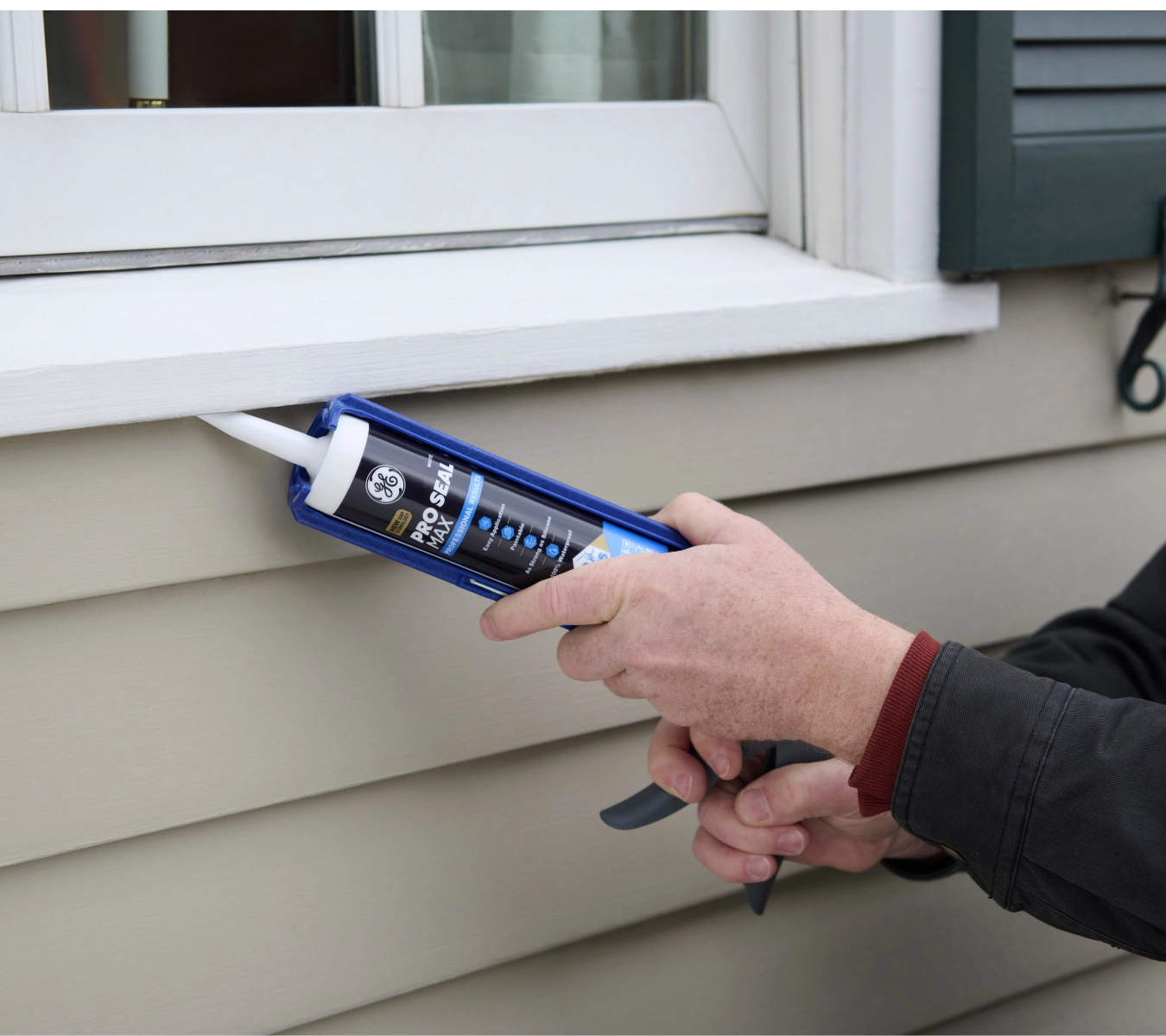
A photo of GE Pro Seal Max Window & Door.
GE Pro Seal Max Window & Door.

A pro-grade sealant must form a strong, lasting bond to a wide variety of substrates, even in challenging environments. Adhesion strength determines how well the sealant sticks to surfaces such as tile, glass, metal, plastic, wood, and masonry. In the field, that versatility matters—contractors don’t have time to switch products for every surface type. Pro-grade sealants like GE Pro Seal Max Window & Door are formulated to deliver excellent adhesion to both porous and nonporous materials without the need for a primer.

Surface compatibility also ensures the sealant doesn’t stain, degrade, or separate from common construction materials over time. This is particularly important in wet zones where sealants must resist constant moisture, such as kitchens, baths, and exterior joints. A high-performing sealant needs to maintain adhesion through temperature swings, surface movement, and cleaning routines. Products meeting ASTM C920 (Class 50 or higher) offer proven flexibility and adhesion that professionals can rely on for long-term jobs.

Flexibility and joint movement

In dynamic environments, joints expand and contract due to thermal shifts, humidity changes, and structural movement. A pro-grade sealant must be able to move with the materials it’s bonded to without cracking or pulling away. Flexibility is typically rated by ASTM C920 classifications—Class 25, 35, or 50—indicating the percentage of movement a sealant can handle. GE Pro Seal Max Window & Door, for example, offers Class 50 flexibility, meaning it can stretch or compress up to 50% of the joint width and still maintain a watertight seal.

This level of performance is essential in kitchens, bathrooms, windows, doors, and exteriors where movement or moisture is expected. Lower-grade acrylic caulks may harden or crack over time, especially in high-moisture or temperature-variable areas. As for acrylic caulk vs silicone, most acrylic caulks have an ASTM rating of only 12.5. Silicone sealants with a Class 50 rating stay permanently flexible, adapting to joint movement while preserving adhesion. For contractors, choosing a sealant with high flexibility ensures fewer callbacks, longer-lasting installs, and better performance across a wider range of applications.

Moisture resistance and mold defense

In high-humidity environments like kitchens, baths, and exteriors, moisture defense sets pro-grade sealants apart from the competition. A 100% silicone pro-grade sealant should always be your first choice for such areas. These sealants are designed to resist mold and mildew growth, even after years of exposure to water and cleaning agents. GE Pro Seal Max Kitchen & Bath, for instance, offers lifetime mold-free product protection, making it ideal for areas where health standards and aesthetics are non-negotiable.

Cheaper acrylic-based options may initially resist moisture, but they often break down over time, allowing water to intrude and mold to develop beneath the surface. However, silicone sealants create a watertight bond that remains intact even under frequent cleaning and repeated wetting. For professionals working in code-sensitive or client-facing installations, selecting a sealant with proven mold resistance is part of delivering a durable, hygienic, and low-maintenance final product.

Curing time and workability

Pro-grade sealants like GE’s Pro Seal Max series are water-ready in just 30 minutes, reducing delays and allowing faster project turnover—especially in high-traffic or multi-phase builds. This quick set time doesn’t compromise long-term performance, offering both speed and durability in one product.

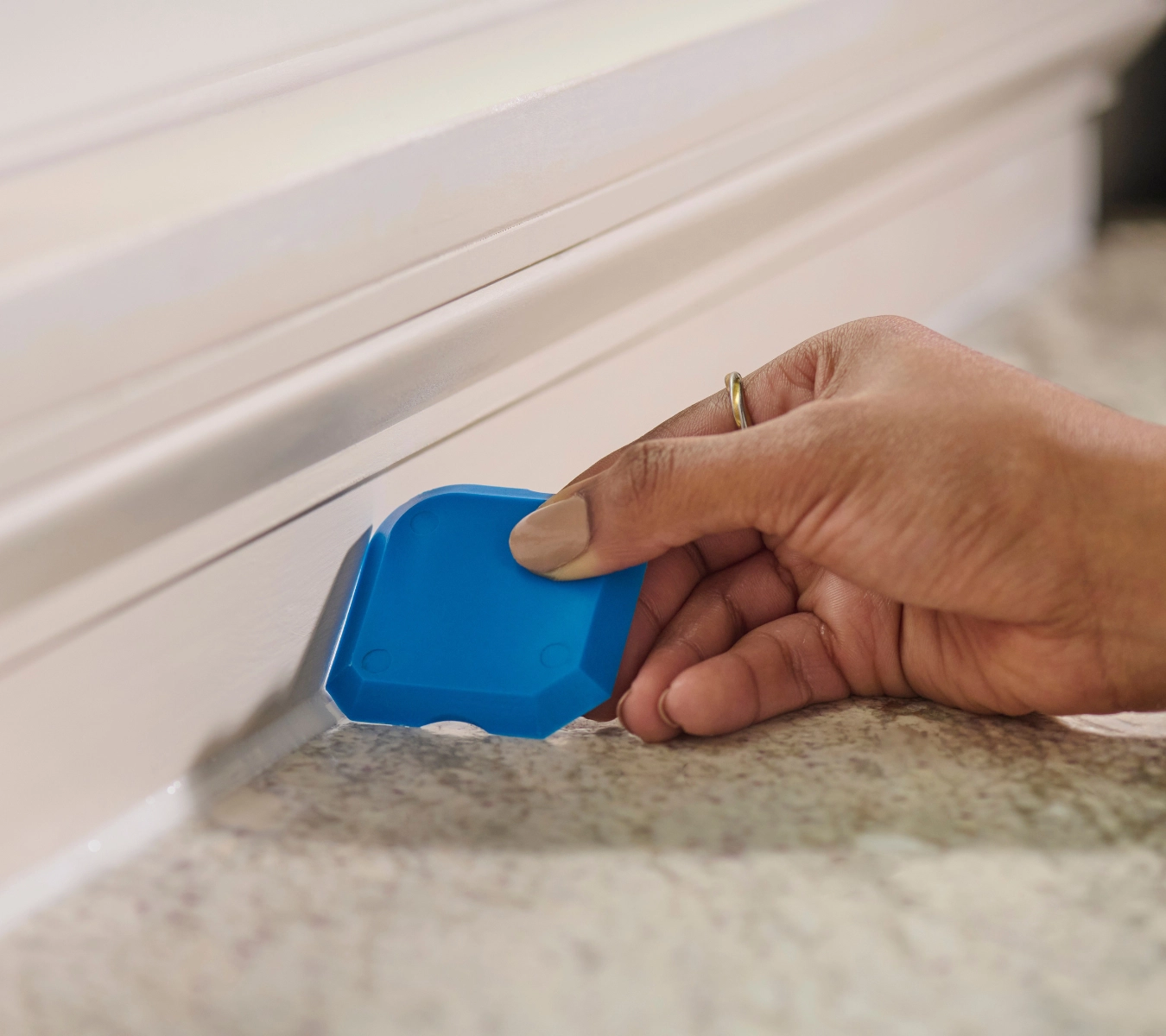
A photo of GE’s Sealant Smoothing Tool.
GE’s Sealant Smoothing Tool.

Workability also matters, particularly when sealing complex or vertical joints. Pro-grade silicone sealants typically have a smoother flow and better tooling characteristics—especially when applied with GE’s Sealant Smoothing Tool—allowing clean beads and precise finishes. They’re less prone to sagging or dragging, even in warm conditions. In contrast, lower-tier products may cure too slowly or lack the viscosity needed for a clean application, increasing cleanup. For professionals balancing quality with deadlines, using a sealant that cures quickly and applies smoothly is essential to staying on schedule while maintaining high standards.

Pro Seal Max series vs the other guys: product snapshot

What sets the GE Pro Seal Max series of sealants apart from other pro-grade sealants is real-world consistency across specialized formulations. Both Kitchen & Bath and Window & Door versions are engineered for professional use, but each is optimized for distinct environments. The Kitchen & Bath formula is designed to bond tightly to glossy surfaces like porcelain and glass without losing adhesion to wet substrates—ideal for sink perimeters and shower trim. Window & Door, on the other hand, excels in temperature extremes and is resistant to UV exposure, making it reliable for seasonal movement in outdoor joints.

Contractors also benefit from formulation consistency across both lines. Whether you’re working in high-humidity bathrooms or sealing exterior trim in freezing conditions, Pro Seal Max behaves predictably from tube to tube, minimizing callbacks. Cheaper alternatives often fail at the margin—pulling away from substrates, discoloring, or breaking down under cleaners or weather. Pro Seal Max, by contrast, gives pros a high-performance silicone option that meets the varying demands of different job types without compromising application quality or curing reliability.

To get GE Sealants’ products for your home improvement project, visit these fine retailers in the U.S. or Canada.

Get cleaner lines, longer-lasting paint, and a sealed kitchen you’ll be proud of How to apply sealant when painting your kitchen

Note: This DIY article is provided as a general guide only and is not intended to take the place of product-specific installation procedures; always follow applicable manufacturers’ instructions. Depending on your home’s age and condition, location within the home, and other potential factors, repairs and/or upgrades or other services may be necessary prior to the beginning and/or completion of your project that may involve the services of a home improvement professional. This article does not include advice pertaining to local building codes and/or any related inspections.

Painting your kitchen is a great way to refresh the space, but don’t forget sealant to protect surfaces and leave a clean finish. Knowing when and where to apply kitchen sealant—before or after painting—can make a big difference in both appearance and durability. This guide covers the key steps for sealing properly during your kitchen painting project.

Why you should apply sealant when painting your kitchen

In kitchen painting projects, sealant does more than just add a clean appearance—it plays an important role in protecting your surfaces. Kitchens are high-moisture environments, and water can easily seep into gaps where countertops meet walls, around sinks, or along backsplashes. Without proper sealing, moisture can lead to peeling paint, warped materials, or even mold growth.

Applying a high-quality silicone sealant helps create a flexible, waterproof barrier in vulnerable areas. It also gives painted edges a crisp, finished look, especially where trim or tile meets the wall. For areas that require regular cleaning or exposure to splashes, using a kitchen-grade silicone sealant ensures lasting protection that won’t crack or shrink.

Paint or seal first? It depends.

If you’re using Seal & Fill Multi-Purpose Kitchen & Bath Caulk, you can apply it before painting for a seamless finish. For non-paintable options like GE Advanced Silicone Kitchen & Bath Sealant, paint first, then seal. Always check the label to avoid adhesion issues. For a clean look, choose a sealant color that matches your paint or trim, or use clear for minimal visual impact.

When to seal and when to paint

A photo of GE Seal and Fill Kitchen & Bath Caulk

One of the most common questions about kitchen painting is whether to seal before or after applying paint. The answer depends on the type of sealant you plan to use. If you’re working with a paintable silicone, such as Seal & Fill Multi-Purpose Kitchen & Bath Caulk, you can apply the sealant first, allow it to fully cure, and then paint over it for a seamless look. This is ideal for areas where you want both moisture protection and a uniform paint finish.

However, if you’re using a non-paintable silicone sealant, such as GE Advanced Silicone Kitchen & Bath, you should complete all painting first, allow the paint to completely dry, and then apply the sealant. Unmodified silicone does not take paint well and applying paint over it will result in poor adhesion and peeling. For best visual results, choose a sealant color that blends with your paint or trim, or use a clear formula when working with multiple finishes.

To get clean lines when sealing after painting, apply painter’s tape along both sides of the joint before applying sealant. Smooth the bead with GE’s Smoothing Tool or a gloved finger and remove the tape immediately for a crisp, finished edge. Planning ahead ensures your sealant performs well and your paint job looks professional.

Where to seal in your kitchen

Knowing where to apply sealant is key to protecting your newly painted kitchen from moisture damage and daily wear. Focus on areas where water, steam, or food particles are likely to collect—these are the points most vulnerable to damage if left unsealed.

Common spots that require silicone kitchen sealant include the joint where countertops meet the wall, especially behind sinks or stoves. Backsplashes should also be sealed at their edges to prevent water from seeping behind tiles or panels. Around sinks and faucet bases, a waterproof seal is essential to stop drips from entering cabinets or damaging countertops. Don’t forget corners, trim edges, and any joints where different materials meet, such as tile and drywall.

Kitchen painting tips

Painting a kitchen requires more planning than other rooms due to high moisture, frequent cleaning, and the variety of surface types involved. To get the best results, start by thoroughly cleaning all surfaces to remove grease, food residue, and dust—especially around cabinets, baseboards, and backsplash areas. A degreasing cleaner or a mix of warm water and dish soap works well for this step.

Read this article to learn more about sealing backsplashes.

Next, repair any dings, cracks, or holes with a patching compound. Lightly sand the surfaces to promote paint adhesion and wipe away dust with a damp cloth. Use painter’s tape to mask off edges, trim, and surfaces you plan to seal later.

Choose a high-quality paint with a semi-gloss or satin finish, which is easier to clean and holds up better in kitchens. Flat or matte finishes tend to absorb moisture and stain more easily. For surfaces near the stove or sink, consider a paint labeled mildew-resistant or kitchen-specific.

Apply primer to any repaired or previously unpainted areas, then follow with two coats of paint for even coverage. Let the paint dry completely before applying any sealant unless you’re using a paintable silicone sealant, which allows you to reverse the order if needed.

How to remove and replace old sealant

Before applying new sealant in your kitchen, it’s important to remove any old, cracked, or peeling material. Applying new sealant over damaged or loose areas can prevent proper adhesion and reduce the effectiveness of the seal.

Once you’ve applied the new sealant, a few simple finishing steps can make a big difference in the final appearance. A smooth, even bead not only looks more professional but also helps create a stronger, more effective seal.

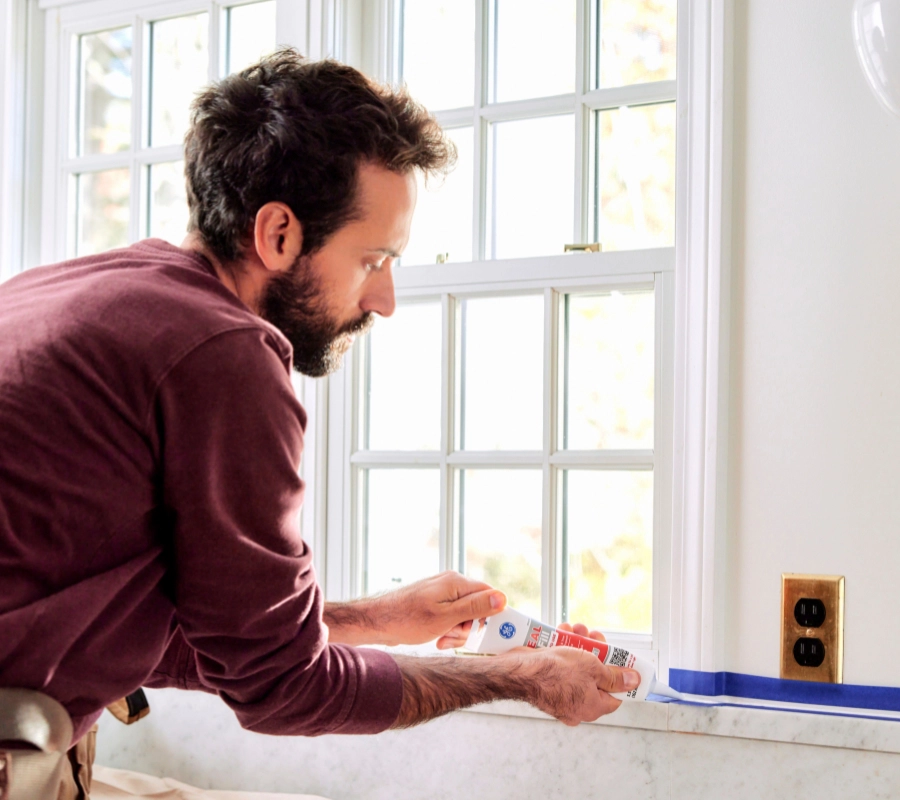
A photo of a homeowner sealing the backsplash in his kitchen using GE Seal & Fill Sealant.

Start by using a tool specifically designed for the job—like the GE Sealant Remover Tool—which helps lift away old silicone without damaging surrounding surfaces. Work slowly and carefully to remove all traces of the previous sealant, especially in corners or uneven areas. Once removed, clean the surface thoroughly with soap and water to eliminate residue, grease, or dust. Rinse and dry the area completely—sealant won’t bond properly to damp or dirty surfaces.

A photo of a homeowner using his finger to smooth a bead of sealant in the kitchen.

Finally, allow the sealant to cure fully according to product instructions—typically 24 hours—before exposing it to water or regular use. With proper finishing, your kitchen will look polished and stay protected from daily wear.

To get GE Sealants’ products for your home improvement project, visit these fine retailers in the U.S. or Canada.
Discover the difference between caulk vs. sealant! Caulk vs. sealant: Understand the differences

Note: This DIY article is provided as a general guide only and is not intended to take the place of product-specific installation procedures; always follow applicable manufacturers’ instructions. Depending on your home’s age and condition, location within the home, and other potential factors, repairs and/or upgrades or other services may be necessary prior to the beginning and/or completion of your project that may involve the services of a home improvement professional. This article does not include advice pertaining to local building codes and/or any related inspections.

To ensure your next project is a success, you need to learn the differences between caulk vs. sealant. This guide shares what makes each product unique and when to use each one.

When tackling construction or renovation projects, selecting the right materials is essential for quality results. The last thing you want to do is compromise the success or longevity of your project. One common point of confusion is deciding between caulk vs. sealant. While caulk and sealant may seem similar, they serve different purposes based on their distinct technical properties.

This guide will clarify the differences between caulk vs. sealant, focusing on movement capabilities and ingredients so you can make an informed choice before diving into your next project.

What is caulk?

Caulk refers to a gunnable product designed to fill and seal joints where minimal movement is expected. It’s typically applied in areas where surfaces will remain relatively static, with a movement capability of less than 12.5%. This low movement threshold is intentional, as caulk is formulated for rigid, stable areas where flexibility is not a primary concern. Due to these characteristics, caulk is often used indoors in areas such as window frames, trim, and baseboards, where structural shifts or expansion are minimal.

Caulking specifically refers to the application of caulk to joints or seams. When you caulk something, you’re applying a carefully controlled layer of this product to ensure a tight seal against issues like minor drafts, moisture, or debris infiltration. Because of its precise and targeted application, caulk requires skilled handling to avoid gaps or unevenness, especially when it needs to blend seamlessly.

Ingredients and composition of caulk

One of the main differences between caulk vs. sealant is its ingredients. Caulk is typically made up of materials like acrylic or latex. These materials provide a smooth finish and make it easy to paint over, which is particularly useful in indoor applications where aesthetics is a priority. For example, an acrylic-latex caulk can be painted to match interior walls, trim, or moldings, enhancing the finished look of a project without sacrificing functionality.

Latex-based caulks also offer the benefit of easy cleanup, as they are water-soluble before curing. This feature makes them popular for interior use, where precision is important, and mistakes can be fixed quickly and with ease. However, caulk’s low tolerance for movement means it may crack or detach if used in areas with significant temperature fluctuations, high moisture exposure, or frequent material expansion. In these cases, you may need to reapply caulk later down the road.

Caulk is for static applications where there will be little movement. Sealant is for dynamic ones. Choose accordingly for long-lasting results and a successful project.

What is sealant?

Sealants are also gunnable solutions, and they are similar in function to caulks, but with a crucial distinction: movement capability. Unlike caulk, sealant is engineered for flexibility with a movement capability greater than 12.5%. This adaptability allows sealants to maintain a durable bond even as surfaces expand, contract, or shift over time. Sealants are crucial in areas exposed to fluctuating temperatures, weather conditions, or dynamic loads, which can cause materials to expand and contract.

Applying a sealant often refers to creating a flexible, water-resistant barrier capable of withstanding various environmental stressors. This is especially important in exterior applications, such as joints in concrete, glass facades, or siding, where moisture and temperature changes can weaken caulk.

Ingredients and composition of silicone

Silicone is the primary ingredient in most sealants due to its impressive flexibility, moisture resistance, and durability. Silicone-based sealants are ideal in environments exposed to water, such as bathrooms, kitchens, and outdoor settings. Unlike acrylic-latex caulk, silicone sealant does not crack or peel easily and can withstand UV exposure, making it perfect for outdoor use.

Additionally, silicone sealant adheres well to non-porous surfaces, such as glass and metal, allowing for a reliable bond in applications where surfaces may not readily accept other materials. This is what sets it apart from latex-based caulks, which may struggle to adhere to glass or aluminum without the use of additional bonding agents.

One tradeoff with silicone sealants, however, is the inability to paint them. While they provide exceptional durability, they often retain a slightly shiny finish that may not blend with certain aesthetics. For interior uses where a painted finish is desired, specialized silicone formulations or hybrid sealants may be available, but standard silicone will not bond well with paint.

Technical terminology you need to know

To truly understand the nuances between silicone sealant vs. caulk, it helps to dive into the specific terminology and ingredients that define their performance. Knowing this information can guide you in selecting products tailored to the unique demands of each project. Here are some essentials to keep in mind:

  • Skinning and curing times: Both caulk and sealant have different skinning (initial drying) and curing (fully drying) times. Sealants, especially silicone-based ones, generally form a skin quickly, allowing work in high-moisture areas, though they may take longer to fully cure. Caulks tend to cure faster but can be vulnerable to moisture if applied before drying.
  • Joint movement capability: Caulk and sealant products are often rated by their joint movement capability, expressed as a percentage. This rating indicates how much a product can expand and contract without cracking. Caulks are typically rated for low movement (less than 12.5%), while sealants are designed for greater flexibility, adapting to shifting materials.
  • Plasticizers: Commonly found in caulks, plasticizers add flexibility to the product but can lead to off-gassing and sometimes degrade over time, which is why caulks often need replacement sooner than silicone-based sealants. High-quality caulks may use advanced plasticizers to extend longevity, so they don’t need to be redone as quickly.
  • UV stabilizers and mildewcides: Often added to silicone sealants, UV stabilizers protect against yellowing and cracking caused by sunlight exposure. Mildewcides prevent mold and mildew growth, making silicone sealants suitable for bathrooms, kitchens, and outdoor applications.
  • Types of silicone sealants: Acid-cure sealants release acetic acid during curing, which can produce a vinegar-like smell. It’s highly adhesive but can corrode sensitive materials. Neutral-cure sealants release non-corrosive byproducts, making them ideal for materials that may react with acids. They’re also preferred for exterior applications or around metals.

It’s also worth keeping in mind that the American Society for Testing and Materials, as well as the International Organization for Standardization, provide technical standards for caulks and sealants. Look for these certifications when purchasing to ensure an additional level of quality assurance.

When to use caulk vs. sealant

In most cases, caulk is the right choice for indoor projects where a low-movement, paintable surface is essential. This includes tasks like finishing trim, baseboards, and window frames. Caulk’s ease of cleanup and compatibility with paint make it versatile for such controlled applications.

Sealant is the preferred option for outdoor or high-movement areas where flexibility is essential. It’s also a must in moisture-prone areas due to sealant being mold and mildew-resistant. Applications such as sealing around sinks, bathtubs, exterior siding, and joints in masonry are best suited for sealants due to their resilience against movement and environmental factors like moisture. When in doubt, opt for sealant in environments where durability and flexibility are essential. Keeping these tips in mind will ensure it’s easy to decide which one is better for your project.

Whether you’re looking for a durable silicone sealant for exterior use or a smooth, paintable caulk for interior detailing, our lineup has you covered. Explore our range of high-performance products and discover the perfect solution for your next project. For more information, visit our Where to Buy page to find our products at a location near you.

Paint like a pro once you master the best techniques of caulking when painting A professional’s guide to the do’s and don’ts of caulking when painting

Note: This DIY article is provided as a general guide only and is not intended to take the place of product-specific installation procedures; always follow applicable manufacturers’ instructions. Depending on your home’s age and condition, location within the home, and other potential factors, repairs and/or upgrades or other services may be necessary prior to the beginning and/or completion of your project that may involve the services of a home improvement professional. This article does not include advice pertaining to local building codes and/or any related inspections.

Clean lines, minimal imperfections, and seamless finishes are exactly what you’re looking for in your home renovation project. Whether or not you’re a stickler for perfection, an ugly sealing job will stick out like a sore thumb and may dampen your style. In this article, we explore the do’s and don’ts of caulking when painting.

Caulk vs. sealant: Understanding the difference

As a cardinal rule, caulk and sealant should never be used interchangeably. Other than their names, caulk and sealant have several other differences, some of which affect their applications. Understanding the difference between caulk and sealant is the first step toward mastering the dos and don’ts of caulking when painting.

Caulk is an acrylic-based adhesive used to fill gaps. Due to its acrylic nature, caulk should not come into contact with moisture, which will interfere with its structural integrity and overall lifespan. On the upside, caulk is paintable and can be used in areas where aesthetic appeal is paramount.

Sealant, conversely, is a silicone-based adhesive with added flexibility and water resistance that makes it ideal for creating a barrier that keeps moisture on one side.

Caulk is preferred for interior painting projects, while sealant is preferred for high-moisture areas.

When and where to use caulk and sealant

Caulk and sealant confer varying advantages to your projects. Before understanding the best techniques and practices for applying both, you should first get a handle on when and where to use caulk or sealant. Below is an in-depth guide on how to do just that.

Caulk: A paintable option

Caulk is water-based and made from a combination of acrylic and latex, which makes it paintable. However, this feature also happens to be its Achilles heel, making it unsuitable for forming a moisture barrier. Caulk is used to fill interior gaps and cracks and is often used to seal around trims, baseboards, crown moldings, and wall cracks.

Silicone sealant: Waterproofing

Silicone sealant is flexible and waterproof, two features absent in a standard acrylic-based caulk. These added features make sealant a staple in high-moisture environments such as the kitchen and bathroom and where you might need to create an indoor-outdoor barrier, such as with windows and doors.

However, despite its capabilities, silicone sealant is not paintable, requiring a creative approach to any finishing that might require painting. GE has plenty of neutral-colored sealants to match most of your project needs. Alternatively, apply a clear silicone after painting to ensure the sealant blends in and remains invisible.

Hybrid paintable sealant: The best of both worlds

For some projects, a non-paintable sealant just doesn’t cut it. You may utilize GE’s Seal & Fill Multi-purpose Window & Door Caulk when aiming for a professional finish that blends in with the surroundings. As the name suggests, this sealant offers a blend of caulk and sealant properties, making it waterproof and paintable.

This hybrid paintable sealant can be used in the kitchen and bathroom, and around doors, windows, and siding.

When you can get away with using either caulk or sealant

In some unique cases, you may get away with using either caulk or sealant. It is important to emphasize that waterproofing, flexibility, and paintability are not of the utmost importance to the project in these scenarios. You will probably be aiming for a solution to fill a gap or crack in the interior of your home. Examples of these scenarios include:

  • Trim and molding: Silicone sealant can seal around interior gaps, trims, baseboards, or crown moldings as well as caulk, as both can effectively fill the gaps and create smooth transitions.
  • Door frames: For interior door frames where paintability trumps waterproofing, you may use caulk to blend in with the walls or sealant to confer additional flexibility. Both products effectively seal the gaps.

In these situations, the purposes of caulk and sealant overlap, and the choice of either depends on your professional judgment and preferences.

Caulking when painting: The dos and don’ts

Mastering your caulking technique is bound to improve several aspects of the project. From resource efficiency to time-saving and overall finish, the proper technique is a worthy investment. Below is our professional guide on the dos and don’ts of caulking when painting.

Do: Caulk before painting

Do you apply caulk before or after painting?

In most cases, caulking should come before painting since caulking is meant to cover any gaps and cracks that might stick out after the painting is done. Additionally, when applying caulk, it helps to ensure the adhesive has a smooth uninterrupted surface to ensure maximum bonding strength.

You should also smooth the caulk applied with a gloved finger.

Don’t: Use silicone sealant unless it’s a paintable version

As already mentioned, silicone sealant should not be painted over as it resists the adhesion of most paints which might cause peeling, cracking, and detraction from the surface. If it is mandatory to use silicone sealant, as is the case with the kitchen and bathroom, GE’s Paintable Supreme Kitchen and Bath sealant can offer excellent results.

Alternatively, you could pre-paint the surface and apply either a clear or color-matching sealant to make it less of an eyesore.

Do: Allow sufficient drying time for the caulk

Depending on manufacturer specifications, caulk may need anywhere between 30 minutes to 24 hours to fully cure. It is critical that you ensure the caulk properly dries before trying to paint over it. If in a hurry, you can pick a fast-drying caulk to speed up the process.

Do: Clean surfaces thoroughly before applying caulk

An uneven or dirty surface can negatively impact the caulk’s bonding strength. It is crucial that you wipe down the surface to be sealed and remove any dirt, grease, paint, or caulk remnants to ensure a durable and long-lasting seal.

How to apply caulk for the best finish

A professional finish is the desire of DIYers and professionals alike. Below is a step-by-step blueprint on how to get the best finish whenever applying caulk:

  • Prepare the area to be caulked
  • Cut the caulk tube tip
  • Pierce the inner foil seal (if there is one)
  • Apply even pressure
  • Smooth the caulk
  • Allow caulk to dry (30 minutes to 24 hours)

Caulk or paint first?  Caulking should come before painting. If you would like to paint over the caulk to blend in with surrounding walls or surfaces, this can be done after. Siliconized acrylic caulk can be painted over while providing the sought-after waterproofing properties of sealant and should be used in moisture-prone areas.

To find GE products near you, check out our Where to Buy page.

Use our ultimate guide for choosing the best caulking gun How to choose the best caulking gun

Note: This DIY article is provided as a general guide only and is not intended to take the place of product-specific installation procedures; always follow applicable manufacturers’ instructions. Depending on your home’s age and condition, location within the home, and other potential factors, repairs and/or upgrades or other services may be necessary prior to the beginning and/or completion of your project that may involve the services of a home improvement professional. This article does not include advice pertaining to local building codes and/or any related inspections.

There are cheap and less reliable versions of a caulking gun. In this article, you learn how to choose the best silicone caulking gun for your project and tips on turning your caulking gun into a helpful tool.

There is no significant difference between a caulking gun and a silicone gun.

Understanding the difference between caulking guns vs. silicone guns

Dispensing silicone sealant or caulk barely sounds like rocket science. You may have never bothered to give your caulking gun a second glance after placing it in the toolbox, but is there a difference between caulking guns and silicone caulking guns?

Sometimes referred to as a caulking silicone gun, a caulking gun, a silicone caulking gun, and even a silicone dispenser, all these terms refer to the same thing. Generally speaking, the distinction between caulk and silicone sealant lies more in the chemical and physical properties of the adhesives than in the tool used to dispense them.

However, it is essential to understand that some caulking guns are designed specifically for dispensing caulk or sealant by varying some key features discussed later in this article.

What are the different types of caulking guns?

The next step in understanding how to use a caulking gun silicone dispenser is clearly distinguishing between the different types available on the market. Caulking guns can be grouped into three broad categories, depending on the mechanism involved in delivering the energy required to kickstart the extrusion of the adhesive.

Manual caulking guns

With home improvement projects, the term manual might not be your favorite prefix, but it is often the most affordable. A manual caulking gun relies on manual input (pressure from your hands) to push against the plunger and begin extrusion of sealant.

Manual caulking guns are the most common type available, owing largely to their DIY-friendly nature. The manual configuration comes in the following forms:

Ratchet rod caulking guns

The ratchet rod caulking gun harbors a basic mechanism that causes an incremental movement of the plunger with each squeeze of the trigger. The technology used in ratchet rod caulking guns is relatively old, with significant drawbacks like irregular flow. These guns also have a small thrust ratio of 5:1, making pushing out the sealant harder.

Smooth rod or dripless caulking guns

Smooth rod caulking guns are a technological improvement of the ratchet rod with a smooth rod that allows for consistent pressure when squeezing the trigger, consequently facilitating smoother application. They also boast of a larger thrust ratio of 10:1.

Battery-powered caulking guns

Battery-powered caulking guns have a motorized unit that delivers a smooth and uniform flow with minimal effort. If you’ve had to caulk a project for hours, you will appreciate the extra help from the battery. Adjustable speeds may also be helpful when working on projects requiring high precision.

Pneumatic-powered caulking guns

You might benefit from a pneumatic-powered caulking gun for large-scale professional projects where time, efficiency, and precision are the determining factors. These caulking gun silicone dispensers rely on pressure from compressed air to push against the plunger. They offer the highest consistency level and can easily handle thicker sealants, making them the best for silicone.

Features to look out for in a caulking gun

Understanding the different types of caulking guns is the first step to choosing the best silicone gun for the job. You might have already noticed that a manual caulking gun should be your preferred choice for smaller projects and when you are on a budget. For labor-intensive projects, battery-powered caulking guns offer more efficiency.

For professional and large-scale operations, pneumatic caulking guns reign supreme. However, several other features might influence your choice of a caulking gun.

Thrust ratio

Unless you’re at the gym lifting weights, no one likes having their muscles put to work. The thrust ratio defines the relationship between the force produced in the tube and the pressure applied to the trigger. For example, a 10:1 thrust ratio means that 10 pounds of pressure are generated from a single pound of pressure applied on the trigger. The higher the thrust ratio, the easier it is to maintain a consistent bead.

Built-in cutter and puncture tool

Running around looking for a sharp object to open the sealant is far from convenient. Choose a caulking gun with a thin poker rod to ensure you save time when puncturing the inner foil covering the sealant. A built-in cutter can help you snip the tip of the silicone tube.

Comfortable grip and ergonomic design

The longer you work with caulking guns, the more appreciation you will have for a lightweight and comfortable one. Choose a caulking gun with an ergonomic and comfortable grip (rubberized cushions can be a godsend) to facilitate extended use.

How to use a caulking gun silicone dispenser

Choosing the best caulking gun is only half of the puzzle. Here are steps to help you properly use your caulking gun for your DIY projects.

  1. Prepare the surface

    Before applying a new layer of sealant to a surface, clear the surface of dirt, debris, or any old sealant, which might affect its bonding strength.

  2. Cut the tip of the silicone tube

    As mentioned, choosing a caulking gun with a built-in cutter saves you time and energy. However, as a pro tip, for a smoother and more consistent bead flow, you should consider using a utility knife to cut the tip at a 45-degree angle. The 90-degree angle from the cutting tool might be quick but could result in irregular flow.

    Choose the size of the cut according to the size of the gap you are trying to seal.

  3. Load the silicone tube into the gun and start caulking

    Pierce the inner foil seal of the silicone tube, then insert it into the gun, and ensure the back end of the tube is pressed firmly against the plunger. Once complete, the only thing holding you back from a smooth bead is the squeeze of a trigger.

From ease of use to professional finishes, there are many reasons to pick out the best possible caulking gun. The type, thrust ratio, built-in features, and comfort are some features to look for when choosing a caulking gun.

To find GE products near you, check out our Where to Buy page.

FAQs

Is there a difference in caulking guns? 

Several types of caulking guns are available on the market, and they can be grouped into several broad categories depending on the means of delivering pressure or the corresponding applicator.

What is the best caulking gun ratio for silicone? 

The best ratio to use when applying silicone sealant using a caulking gun is 10:1

Are expensive caulk guns worth it? 

Caulk guns with additional features tend to cost more. Homeowners and professionals should strongly consider investing in a good caulking gun that will suit their needs.

Let’s find out why you need to caulk your DIY accent wall. Why you need to caulk your DIY accent wall

Note: This DIY article is provided as a general guide only and is not intended to take the place of product-specific installation procedures; always follow applicable manufacturers’ instructions. Depending on your home’s age and condition, location within the home, and other potential factors, repairs and/or upgrades or other services may be necessary prior to the beginning and/or completion of your project that may involve the services of a home improvement professional. This article does not include advice pertaining to local building codes and/or any related inspections.

Caulking gaps and cracks prevent moisture damage. This blog will guide you through the reasons why caulking your DIY accent wall is crucial for achieving a flawless finish and long-lasting durability. Whether you’re a seasoned DIY enthusiast or a novice, you’ll be able to find something here to hone your skills.

4 reasons to caulk your DIY accent wall

Accent walls are selected walls in a room painted or decorated differently from the others to create a focal point. Homeowners typically use accent walls to add visual interest and character to a space. Whether you’re going for shiplap, wood panel, or even good old-fashioned wainscoting, caulking is an essential step in any DIY accent wall project. When creating an accent wall, attention to the finer details can make the difference between a polished, professional look and a project you might wish to blame on your kids. Here are the top four reasons to caulk your DIY accent wall.

Beyond providing protection, caulking will significantly enhance the appearance and aesthetic appeal of your project. It hides gaps and seams between the wall and trim, creating a seamless and polished finish. Without caulk, even the most well-designed accent wall will likely look a bit unfinished and amateur.

  1. Sealing gaps and cracks

    Caulking is an essential part of sealing gaps and cracks between the wall and trim in your DIY accent wall. Gaps can occur due to uneven walls, trim misalignment, or natural settling of the foundation over time. By applying caulk, you can eliminate — or at least effectively conceal — these imperfections.

    Sealing these gaps also prevents air leaks, which can reduce your home’s energy efficiency. Additionally, caulking creates a barrier that helps to keep dust and allergens from entering through the cracks, leaving you with a cleaner indoor environment.

  2. Preventing moisture damage

    Over time, moisture and humidity from the exterior or gaps between walls will pass through any unsealed areas. When moisture seeps into unsealed gaps, it causes mold, mildew, and wood rot. Bathrooms and kitchens tend to be particularly vulnerable to moisture damage.

    By applying caulk, you create a watertight seal to protect your wall materials from moisture damage. This preserves the structural integrity of your accent wall and keeps mold and mildew out of your home.

  3. Professional appearance

    Beyond providing protection, caulking will significantly enhance the appearance and aesthetic appeal of your project. It hides gaps and seams between the wall and trim, creating a seamless and polished finish. Without caulk, even the most well-designed accent wall will likely look a bit unfinished and amateurish.

    Properly applied caulk keeps lines clean and transitions smooth. Attention to detail in this area elevates the overall look of your space. Investing in this finishing touch will make your DIY project stand out and impress.

  4. Insulating against temperature changes

    Caulking helps insulate your accent wall against temperature changes. Gaps and cracks can allow cold air to enter during winter and warm air during summer, making it harder to maintain a consistent indoor temperature.

    By sealing these openings with caulk, you minimize drafts and reduce the strain on your heating and cooling systems. Thus, in addition to making your living environment more comfortable, caulking your DIY accent wall may also lower your energy bills.

Step-by-step guide to caulking your DIY accent wall

Caulking your DIY accent wall is a straightforward process that enhances its appearance and longevity. Here’s a step-by-step guide to help you achieve professional results:

  1. Gather the necessary materials

    You will need:

  2. Prepare the surface

    Clean the wall and trim thoroughly to remove dust and debris. Make sure the surface is dry before you start caulking.

  3. Apply painter’s tape

    To leave clean lines, apply painter’s tape along the edges where the wall meets the trim. This helps create a neat finish and keeps the excess caulk from spreading onto unwanted areas.

  4. Cut the caulk tube tip

    Cut the tip of the caulk tube at a 45-degree angle with your utility knife. Try to match the size of the opening with the width of the gap you are sealing.

  5. Pierce the inner foil/seal

    Insert a sharp object like a long nail or wire into the nozzle and push it through the seal.

  6. Load the caulking gun

    Insert the caulk tube into the caulking gun and squeeze the trigger until the caulk starts to flow so that you have a sense of how much pressure to apply.

  7. Apply the caulk

    Starting at one end, apply a steady bead of caulk along the gap. Move the gun smoothly and steadily to ensure even application.

  8. Smooth the caulk

    Immediately after applying, smooth the caulk bead with a caulk smoothing tool or your finger dipped in water. Try to press the caulk into gaps to create a clean finish.

  9. Remove painter’s tape

    Carefully remove the painter’s tape before the caulk dries to ensure sharp, clean edges.

  10. Clean up

    Wipe away any excess caulk with a damp cloth and allow the caulk to dry as per the manufacturer’s instructions before painting or further decorating.

To get GE sealant products for your home improvement project, visit these fine retailers.

How to Seal Your Crown Molding, Trim and Baseboards Like A Pro

  1. USE THE RIGHT SEALANT BEFORE YOU PAINT MOLDING AND TRIM FOR BEAUTIFUL RESULTS.
    For these kinds of projects, Max® Shield Painter’s Pro is an excellent choice, ideal for tough paint projects both indoors and outdoors. This best-in-class paintable sealant offers durable, long-lasting results, backed by Tri-Shield Protection: extreme flexibility, 100% waterproof and mold resistance1.And, for paint projects that might be exposed to moisture, Paintable Silicone Supreme Window & Door Sealant is 100% weatherproof and has 10-year mold-free product protection1. And, its shrink and crack-proof formula can be paint-ready in just 30 minutes2.
  2. OPEN THE TUBE AND SEAL.
    Cut nozzle of your cartridge to the desired bead size. Pierce inner seal with seal punch found on most caulk guns. Insert cartridge into caulk gun. Squeeze with even, consistent pressure in order to control the rate the sealant that is dispensed from the cartridge. TIP: Apply masking tape to either side of a joint to create a straight edge before applying caulk to your molding, trim or baseboards.
  3. FILL EDGES AND GAPS.
    Apply sealant along the edges and joints of your molding, trim or baseboards. TIP: Seal molding and trim from top to bottom. Start by laying a bead on the top edge of your molding, then work your way down to avoid smudging your fresh caulk/sealant.
  4. SMOOTH THE SEAL.
    Use a gloved finger or caulk-smoothing tool to smooth caulk into joint within two to five minutes.
    TIP:
    If you applied masking tape in the previous step, remove immediately after smoothing the seal.
  5. CLEAN UP.
    Before the sealant cures, wipe away excess from surface and tools with a dry cloth. Let dry completely, typically within 24 hours, unless your sealant is 30-minute paint-ready (like Paintable Silicone Supreme Window & Door).If you’re tackling a sealing project, let GE Sealants & Adhesives help you get the job done right. Learn more from our other projects and how to’s for more tips and information.

How to Seal a Baseboard in 6 Easy Steps

When installing new baseboards, there’s a small gap between the baseboard and the wall. You should seal this gap with caulk before painting the baseboards to create a clean, professional-looking finish. If you have shoe molding on your baseboards, you can also seal the joint where the molding meets the baseboard to create a smooth look over the entire feature.

Old, peeling or cracked caulking around your baseboards means it’s time to reseal them. Not only is the old caulk unsightly, the cracks in the seal can let in unwanted drafts from outdoors or your home’s crawl space or basement. Plus, if you’re repainting, you’ll find a new, in-tact seal much easier to paint.

Tools & Supplies for Sealing Baseboards

Picking the right caulk can make all the difference. For sealing a baseboard or any dry area you plan to paint after sealing, choose a GE-branded siliconized acrylic caulk, like GE Painter’s Quick Dry caulk. This caulk is paint-ready in as little as 30 minutes1 or immediately spray-paint-ready, and because it’s siliconized, it’s permanently flexible and will resist cracking even after being painted. GE Painter’s Quick Dry caulk also comes with a 50-year limited durability guarantee,2 so you won’t have to reseal your baseboards for a long time.

Besides a GE-branded caulk, you will also need:

  • Caulk gun
  • Painter’s tape
  • Latex gloves
  • Soapy water
  • Paper towels
  • Utility blade
  • Caulk tool
  • Isopropyl alcohol

Once you have your GE-branded caulk of choice and all your supplies, you’re ready to seal and prep your baseboards for a perfect paint job:

  1. Start with a Clean Surface

    Whenever you start a new sealing project, make sure you have a clean work surface by wiping it down with isopropyl alcohol. If you’re replacing old caulk or sealant, completely remove it first, then wipe down the area with isopropyl alcohol. Let the surface dry before laying a new bead.

  2. Apply Painter’s Tape

    For a smoother bead and easier cleanup, apply painter’s tape on either side of the area you’re caulking.

  3. Carefully Cut the Caulk Cartridge

    Next, prepare your caulk by cutting the tip of the cartridge. Cut the cartridge tip at a 45-degree angle. Some caulk guns have a tool to cut the cartridge tip, but we recommend using a utility blade for consistently clean results. Cut off less than you think you’ll need because you can always cut more. Once cut, pierce the cartridge’s inner foil seal using the metal rod on your caulk gun or a long nail. Then load the sealant cartridge into the caulk gun.

  4. Apply Caulk

    Now you’re ready to begin sealing. Start at one end of the baseboard and work your way to the other end. Pull the gun toward you and maintain a relaxed, confident grip and steady speed to apply the bead smoothly. If you can’t make it in one pass, it’s ok to readjust your grip and start where you left off. Fill in any additional gaps as needed.

    Repeat this process for the entire room that you’re sealing.

  5. Tool the Bead & Remove the Painter’s Tape

    Use a caulk tool or your finger to tool the caulk bead until it’s smooth. It’s important to tool the bead before the caulk starts to dry, so if you need to, you can tool in sections. Run a bead of caulk, tool the bead, then repeat as many times as needed.

  6. Let Caulk Dry Completely

    Finally, allow the caulk to dry completely for the best performance. GE Painter’s Quick Dry caulk is paint-ready in 30 minutes1 and fully dry in 24 hours, but check your product for specific drying and curing instructions.Now your baseboards have a long-lasting seal and are prepped for you to paint. For more step-by-step sealing tutorials with high-performing GE-branded caulks and sealants, check out our other How-To guides.

1Sealant can be spray-painted immediately and brush- and roller-painted in as little as 30 minutes with bead size max 3/16″, temperature minimum of 65°F, and humidity minimum 50 percent. Otherwise, sealant should not be painted for 30-minutes. Apply paint with reduced applicator pressure to avoid disturbing the sealant. Paintable Silicone Sealant works well with most water-based acrylic paints. Sealant is not recommended with oil-based paints. If oil-based paints are used, test apply an acrylic primer and paint in a small, inconspicuous area.

2Manufacturer warrants that this product, when used as directed, will meet the above specifications for as long as you own your home. If not satisfied, return proof of purchase for refund. This is the sole and exclusive remedy and Manufacturer shall not be liable for any damages in excess of the purchase price. This warranty is in lieu of all other warranties, express or implied, including any warranty of merchantability or fitness.

Learn how to caulk crown molding! 10 contractor tips for caulking crown molding to last

Crown molding is the perfect finishing touch to any room, adding elegance and sophistication to your home’s interior. However, achieving a flawless finish requires more than just installing the molding itself. Proper caulking is essential to fill in gaps and cracks providing a seamless transition between the molding and the wall or ceiling.

In this guide, we’ll delve into the art of caulking crown molding, offering tips and tricks to help you achieve smooth professional-looking results.

Note: This DIY article is provided as a general guide only and is not intended to take the place of product-specific installation procedures; always follow applicable manufacturers’ instructions. Depending on your home’s age and condition, location within the home, and other potential factors, repairs and/or upgrades or other services may be necessary prior to the beginning and/or completion of your project that may involve the services of a home improvement professional. This article does not include advice pertaining to local building codes and/or any related inspections.

Why are there gaps in crown molding?

Even with a new installation, there might be gaps between the crown molding and the wall or ceiling. This can happen for a couple of reasons:

  • Construction Materials: Even with the most accurate measuring and building, there will inevitably be some imperfections in the angle of a wall or ceiling. When these surfaces come together, the slight differences can lead to gaps when you install crown molding.
  • Temperature Changes: Building materials are affected by temperature. As temperatures decrease the walls and ceiling can shrink away from your crown molding. This can cause significant gaps in the winter.

By filling these gaps with a high-quality caulk or sealant, you can get a smoother, better finish to your crown molding.

Crown molding adds the finishing touch to a room. Seal any gaps with high-quality caulking for a smooth, professional look.

Use these 10 tips for caulking crown molding

Get a professional-looking finish on your crown molding with these tips.

  1. Choose the right caulk

    Selecting the right caulk is the first step toward achieving a successful caulking job. For crown molding, it’s essential to use a paintable, flexible caulk that adheres well to both wood and painted surfaces. Silicone-based or acrylic-latex caulks are excellent choices for this purpose. Make sure to read the label carefully to ensure compatibility with the materials you’re workin

  2. Prepare the surface

    Before you begin caulking, it’s crucial to prepare the surface properly. Clean the area around the crown molding to remove any dust, dirt, or debris that could interfere with adhesion. Use a mild detergent solution and a clean cloth to wipe down the surfaces. Allow the area to dry completely before proceeding.

  3. Use the right tools

    Having the right tools can make all the difference when caulking crown molding. Invest in a high-quality caulking gun to ensure smooth and consistent application of the caulk. Additionally, have a damp rag or sponge nearby to clean up any excess caulk and smooth out the bead.

  4. Cut the caulk tube tip at an angle

    Before loading the caulk into the gun, cut the tip of the caulk tube at a 45-degree angle. This will create a smaller opening, allowing for a more precise application of the caulk. Start with a smaller opening and trim more if necessary, depending on the size of the gap you’re filling. You also need to pierce the seal in the tube. Many caulking guns have an attached tool for this purpose.

  5. Apply caulk in small sections

    Instead of trying to caulk the entire length of the crown molding at once, work in small sections. Apply a bead of caulk along one section of molding, then smooth it out with your finger or a caulk finishing tool before moving on to the next section. This will help you achieve a more uniform finish and prevent the caulk from drying out before you can smooth it.

    Tip: For smoother caulking lines, apply painter’s tape to either side of the joint to create a straight edge. Then, apply the caulk in the remaining space. Peel the tape up before the caulk dries.

  6. Use backer rod for large gaps

    For larger gaps between the crown molding and the wall or ceiling, consider using a backer rod before caulking. Backer rods are flexible foam strips that help provide support and fill in larger gaps, ensuring a more durable and long-lasting seal. Without backer rods, the caulk can collapse into larger gaps causing a misshapen, unsightly line.

  7. Practice proper technique

    Achieving a smooth and professional-looking caulk bead requires proper technique. Hold the caulking gun at a consistent angle (usually around 45 degrees) and apply steady pressure to the trigger as you move along the length of the molding. Keep a steady hand and maintain a consistent speed to ensure an even bead of caulk.

  8. Smooth out the caulk

    After applying the caulk, use a damp rag or sponge to smooth out the bead and remove any excess caulk. Wetting your finger can also help smooth out the caulk and create a clean, finished look. Be sure to wipe away any excess caulk before it dries to avoid unsightly drips or smudges.

  9. Allow sufficient drying time

    Once you’ve finished caulking, allow the caulk to dry completely before painting or applying any additional finishes. The drying time will vary depending on the type of caulk you’re using and the environmental conditions, so be sure to check the label for specific instructions. Rushing this step can result in a subpar finish and compromise the integrity of the caulk seal.

  10. Paint over the caulk

    If necessary, paint over the caulk to match the color of the molding and achieve a seamless finish. Use a high-quality paintbrush or roller to apply a thin, even coat of paint over the caulked areas. Be sure to allow the paint to dry completely before inspecting the results.

Get the professional results you need with GE sealants

Caulking crown molding may seem like a daunting task, but with the right tools, techniques, and attention to detail, you can achieve professional-looking results that enhance the beauty and value of your home. By following these tips and taking your time to do the job right, you can ensure a flawless finish that will stand the test of time. So, roll up your sleeves, grab your caulking gun, and get ready to transform your space with the timeless elegance of crown molding.

To get the professional results you need, choose a high-quality caulk or sealant from GE.

Shop GE sealants at any of these retailers